Books
Solution Selling : Creating Buyers in Difficult Selling Markets by Bosworth, Michael T
Solution Selling presents a structured approach to selling complex, intangible, or difficult-to-sell products and services. Michael T. Bosworth shows salespeople how to move beyond traditional product pitching by understanding customer problems, developing a clear vision of the desired solution, demonstrating value, and guiding buyers through the decision-making process.
📖 Overview
Selling a simple product is relatively straightforward.
The customer understands what it is, what it does, and why they might need it.
But what happens when the product is complicated?
What if the customer doesn't fully understand the problem?
What if the solution is expensive, intangible, or requires significant organizational change?
This is where traditional selling approaches often struggle.
In Solution Selling, Michael T. Bosworth introduces a structured process for selling solutions in situations where the value isn't immediately obvious to the buyer.
Instead of starting with the product, the salesperson starts with the customer's problem.
The objective is to help the buyer recognize a meaningful problem, understand its consequences, envision a better future, and see how the proposed solution can help them get there.
The book presents solution selling as a repeatable process rather than an exercise in charisma, pressure, or luck.
🎯 Why This Book Is Worth Reading
Many salespeople begin conversations by explaining their product.
They talk about:
- Features
- Technology
- Capabilities
- Specifications
- Pricing
- Company history
But buyers don't necessarily care about any of these things.
They care about their problems.
They care about what those problems are costing them.
And they care about what changes if the problem is solved.
Solution Selling reverses the traditional sequence:
Problem → Impact → Desired outcome → Solution → Value
This makes the sales conversation about the buyer rather than the seller.
👥 Who Should Read This Book
- B2B sales professionals
- Enterprise salespeople
- Account executives
- Sales managers
- Consultants
- SaaS sales teams
- Technology companies
- Solution providers
- Entrepreneurs selling complex products
- Anyone selling high-value services
🧠 Key Concepts
- Solution Selling
- Customer Pain
- Latent Pain
- Acknowledged Pain
- Vision of a Solution
- Value Proposition
- Diagnostic Questions
- Buyer Needs
- Business Impact
- Solution Development
- Decision Process
- Customer-Centered Selling
💡 In-Depth Discussion
1. Start With the Customer's Problem
The fundamental shift in Solution Selling is simple:
Don't start by explaining what you sell.
Start by understanding what the customer is struggling with.
A salesperson might think:
"I need to show them how our software works."
But the better question is:
"What problem are they trying to solve?"
Once the problem is understood, the solution becomes much easier to position.
The salesperson is no longer pushing a product.
They are helping the buyer solve a business problem.
2. Identify Pain Before Presenting a Solution
Customers don't always openly communicate their problems.
Sometimes they experience symptoms without understanding the underlying cause.
For example:
A company may say:
"Our sales team isn't hitting its targets."
But the underlying problem might be:
- Poor lead quality
- Slow follow-up
- Inefficient processes
- Lack of training
- Weak qualification
- Poor sales management
A solution seller investigates before prescribing.
This is similar to how a doctor approaches a patient:
Diagnose first. Prescribe second.
3. Move From Latent Pain to Acknowledged Pain
A buyer may have a problem without considering it urgent.
That's the difference between knowing something isn't ideal and recognizing that it needs to change.
The salesperson's job isn't to manufacture pain.
It's to help the buyer understand the consequences of an existing problem.
For example:
Latent pain:
"Our sales process is somewhat inefficient."
Acknowledged pain:
"Our inefficient process is costing us qualified opportunities every month."
The second statement creates urgency because the problem now has a measurable consequence.
4. Quantify the Impact
Problems become more important when their consequences become visible.
Instead of asking only:
"What's the problem?"
Ask:
"What happens because of this problem?"
Consider:
- Lost revenue
- Higher costs
- Wasted time
- Missed opportunities
- Customer churn
- Operational inefficiency
- Employee frustration
- Delayed growth
The more clearly the buyer understands the impact, the easier it becomes to evaluate whether solving the problem is worth the investment.
5. Create a Vision of the Solution
A powerful sales conversation doesn't only focus on what's wrong.
It also helps the buyer imagine what's possible.
Ask questions such as:
- What would change if this problem disappeared?
- What would your organization be able to do differently?
- What would success look like?
- How would this affect your team?
- What would this mean financially?
This creates a Vision of the Solution.
The buyer begins to picture the desired future.
At that point, the conversation moves from:
"Do I need this?"
to:
"How do I get there?"
6. Sell the Outcome, Not the Product
Imagine selling a CRM system.
A product-focused pitch might say:
"Our platform has automated workflows, analytics dashboards, integrations, and AI features."
A solution-focused conversation sounds different:
"Your sales team is losing opportunities because leads aren't followed up quickly enough. If we could automate that process, what would recovering those opportunities mean for your revenue?"
The second conversation connects the product to a business outcome.
Features explain what something does.
Solutions explain why it matters.
7. Help the Buyer Become the Author of the Solution
A strong solution seller doesn't simply tell the buyer what they need.
They guide the buyer through questions that allow them to reach the conclusion themselves.
This creates stronger ownership.
Instead of:
"You need our software."
The conversation becomes:
"If this problem continues for another year, what impact will it have?"
Then:
"What would you ideally want to change?"
Then:
"What would solving this problem be worth to your organization?"
The buyer is participating in the creation of the business case.
8. Understand the Buying Process
Complex purchases rarely involve one person.
There may be:
- Users
- Managers
- Executives
- Finance teams
- Procurement
- Technical teams
- Legal teams
Each stakeholder may have a different concern.
A user might care about usability.
A manager might care about productivity.
Finance might care about ROI.
An executive might care about strategic impact.
A solution seller must understand these different perspectives.
🛠 How to Apply the Ideas
Use a simple Problem → Impact → Vision → Solution framework.
Step 1 — Identify the Problem
Ask:
"What isn't working as well as it should?"
Don't immediately recommend anything.
Listen.
Step 2 — Explore the Consequences
Ask:
"What happens because of this?"
Look for measurable consequences.
Step 3 — Quantify the Impact
Estimate:
- Revenue lost
- Cost incurred
- Time wasted
- Opportunities missed
Now the problem becomes a business issue.
Step 4 — Create the Vision
Ask:
"If this problem were solved, what would improve?"
Help the customer define the desired future.
Step 5 — Connect the Solution
Only now introduce your product or service.
Show how it addresses the problem and helps create the desired outcome.
Step 6 — Validate the Value
Ask:
"If we could achieve this outcome, how valuable would it be to your organization?"
Now you're discussing value rather than price.
🌟 IslandHub Insight
The biggest lesson from Solution Selling is:
Don't sell what you have. Help people understand what they need.
A product can be technically impressive and still fail to sell.
Because customers don't buy features.
They buy solutions to problems they care about.
The best salesperson isn't necessarily the person who can give the most convincing presentation.
It's the person who can ask the right questions.
Because the right question can make a problem visible.
A visible problem creates urgency.
Urgency creates motivation.
And motivation creates a reason to buy.
Stop explaining your product.
Start diagnosing the customer's problem.
📚 Related Books
- SPIN Selling — Neil Rackham
- Selling to Big Companies — Jill Konrath
- The Ultimate Sales Machine — Chet Holmes
- Sell or Be Sold — Grant Cardone
- Secrets of Closing the Sale — Zig Ziglar
❓ Questions to Reflect On
- What problem does your product actually solve?
- Can your customer clearly describe the cost of that problem?
- Are you asking enough questions before presenting your solution?
- Can you quantify the business impact of the problem?
- What does the customer's ideal future look like?
- Can you connect your product directly to that desired outcome?
- Are you selling features, or are you selling a meaningful business result?
📖 References
- Bosworth, M. T. Solution Selling: Creating Buyers in Difficult Selling Markets. McGraw-Hill, 1995.
- Bosworth, M. T. Solution Selling. Irwin Professional Publishing.
Continue Learning
Deepen your understanding with related content

Ekonomi Indonesia 2026: Mengapa Rupiah "Tumbang" Saat Pertumbuhan Tetap Solid?
Noah Walker

Rahasia Metabolisme: Mengapa Gaya Hidup Modern Diam-Diam Menghambat Tujuan Sehat Anda?
Noah Walker

Paradoks Listrik 2026: Antara Jebakan Inflasi 4,76% dan Ambisi Kedaulatan Energi di Selat Hormuz
Noah Walker

Subsidi BBM 2026: Beban Rp210T di APBN demi Harga BBM Stabil
Noah Walker
Apply What You Learned
Try these tools to put your knowledge into practice
Explore Similar
Readers also explored these resources
The New Strategic Selling by Robert B. Miller
Noah Walker
Selling To Big Companies by Jill Konrath
Noah Walker
The Spin Selling Fieldbook: Practical Tools, Methods, Exercises And Resources by Neil Rackham
Noah Walker
The Psychology of Selling by Brian Tracy
Noah Walker
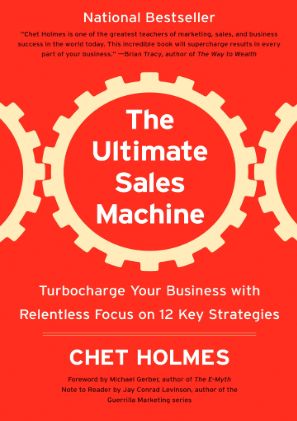
The Ultimate Sales Machine by Chet Holmes
Noah Walker
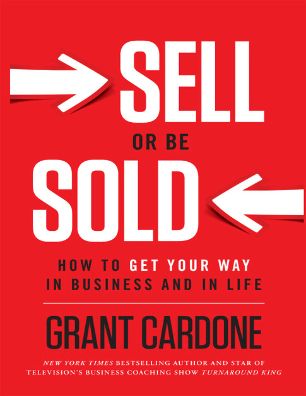
Sell Or Be Sold by Grant Cardone
Noah Walker
Continue Exploring IslandHub
Discover more from across the platform