Books
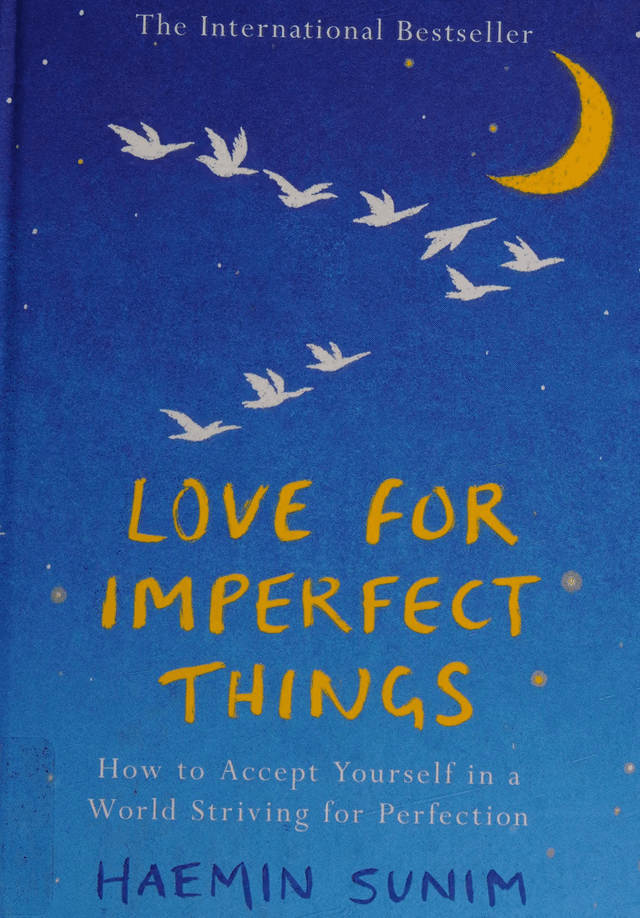
Love For Imperfect Things by Haemin Sunim
FeaturedLove for Imperfect Things explores how self-compassion, acceptance, and kindness can transform the way we relate to ourselves and others. Through gentle reflections inspired by Zen Buddhism, Haemin Sunim encourages readers to embrace their imperfections, cultivate meaningful relationships, and discover peace in being authentically human.
📖 Overview
How can we truly love others if we have never learned to love ourselves?
In Love for Imperfect Things, Zen Buddhist teacher Haemin Sunim explores one of the most challenging aspects of personal growth: accepting our own imperfections. Many people spend their lives striving to meet impossible standards, believing they must become "better" before they deserve love, happiness, or success. Sunim gently challenges this belief, arguing that genuine compassion begins with accepting ourselves exactly as we are.
Through short essays, reflections, and practical wisdom, the book addresses topics such as relationships, self-worth, anxiety, forgiveness, family, courage, and emotional healing. Rather than encouraging readers to eliminate every flaw, Sunim demonstrates that our imperfections often make us more empathetic, resilient, and deeply connected to others.
More than a self-help book, Love for Imperfect Things is a guide to living with greater kindness. It encourages readers to replace self-criticism with understanding, allowing both personal growth and meaningful relationships to flourish.
🎯 Why This Book Is Worth Reading
Many people believe that self-improvement begins with identifying weaknesses.
Haemin Sunim offers a different perspective: meaningful growth begins with acceptance.
Instead of promoting perfectionism, the book teaches that self-compassion creates the emotional foundation necessary for lasting change. Readers are encouraged to stop measuring their worth by achievement and instead develop a healthier relationship with themselves and those around them.
Its calm, accessible style makes timeless philosophical ideas practical for everyday life.
👥 Who Should Read This Book
- Readers interested in mindfulness
- Individuals struggling with perfectionism
- People experiencing stress or self-doubt
- Anyone seeking healthier relationships
- Readers exploring Buddhist philosophy
- Lifelong learners pursuing emotional well-being
🧠 Key Concepts
- Self-Compassion
- Acceptance
- Mindfulness
- Emotional Healing
- Forgiveness
- Relationships
- Authenticity
- Kindness
- Gratitude
- Personal Growth
💡 In-Depth Discussion
1. Self-Love Is Not Selfish
One of the book's central messages is that caring for ourselves enables us to care for others more fully.
When we constantly criticize ourselves, we have less emotional energy to offer compassion to those around us. Self-kindness strengthens, rather than weakens, our relationships.
2. Perfection Is an Impossible Standard
Many people believe they must become flawless before they deserve happiness.
Sunim argues that perfection is neither attainable nor necessary. Our imperfections are part of what makes us uniquely human, allowing us to connect with others through shared vulnerability.
3. Compassion Transforms Relationships
Healthy relationships are built on understanding rather than judgment.
The book encourages readers to become better listeners, practice forgiveness, and approach conflicts with empathy instead of defensiveness.
4. Acceptance Creates Space for Growth
Accepting ourselves does not mean refusing to improve.
Instead, acceptance provides the emotional stability needed for meaningful personal development. Change becomes more sustainable when it is motivated by self-respect rather than self-rejection.
5. Small Acts of Kindness Matter
The book emphasizes that kindness is often expressed through ordinary moments.
A thoughtful conversation, genuine encouragement, or quiet act of generosity can have lasting effects on both ourselves and others.
6. Peace Comes from Authentic Living
Rather than trying to satisfy everyone's expectations, Sunim encourages readers to live according to their own values.
Authenticity allows us to experience greater freedom, confidence, and inner peace.
🛠 How to Apply the Ideas
The book's lessons can be practiced through simple habits:
- Speak to yourself with greater compassion.
- Let go of unrealistic expectations of perfection.
- Practice forgiveness toward yourself and others.
- Express gratitude more intentionally.
- Be fully present during conversations.
- Remember that growth and acceptance can exist together.
🌟 IslandHub Insight
One of the most powerful ideas in Love for Imperfect Things is that the relationship we have with ourselves shapes every other relationship in our lives.
Many people spend years searching for external validation while quietly believing they are never enough. Haemin Sunim gently challenges this belief by suggesting that genuine confidence grows not from becoming perfect, but from accepting our humanity with honesty and compassion.
The book reminds us that kindness is not only something we give—it is also something we must learn to receive from ourselves. By embracing imperfection, we become more patient, empathetic, and emotionally resilient.
At IslandHub, we believe Love for Imperfect Things is ultimately a book about wholeness. It encourages readers to stop viewing themselves as projects that need constant fixing and instead recognize that personal growth begins with self-acceptance, compassion, and the courage to live authentically.
📚 Related Books
- The Things You Can See Only When You Slow Down — Haemin Sunim
- When Things Don't Go Your Way — Haemin Sunim
- The Gifts of Imperfection — Brené Brown
- Self-Compassion — Kristin Neff
- The Untethered Soul — Michael A. Singer
❓ Questions to Reflect On
- How would your life change if you treated yourself with the same kindness you offer others?
- Which unrealistic expectations make it difficult for you to accept yourself?
- What small act of compassion could you practice today—for yourself or someone else?
📖 References
- Sunim, H. (2018). Love for Imperfect Things. Penguin Life.
- Sunim, H. Public talks and writings on mindfulness, compassion, and Buddhist philosophy.
- Buddhist teachings on loving-kindness, acceptance, and mindful living that inspire the author's work.
Continue Learning
Deepen your understanding with related content

Ekonomi Indonesia 2026: Mengapa Rupiah "Tumbang" Saat Pertumbuhan Tetap Solid?
Noah Walker

Rahasia Metabolisme: Mengapa Gaya Hidup Modern Diam-Diam Menghambat Tujuan Sehat Anda?
Noah Walker

Paradoks Listrik 2026: Antara Jebakan Inflasi 4,76% dan Ambisi Kedaulatan Energi di Selat Hormuz
Noah Walker

Subsidi BBM 2026: Beban Rp210T di APBN demi Harga BBM Stabil
Noah Walker
Apply What You Learned
Try these tools to put your knowledge into practice
Explore Similar
Readers also explored these resources
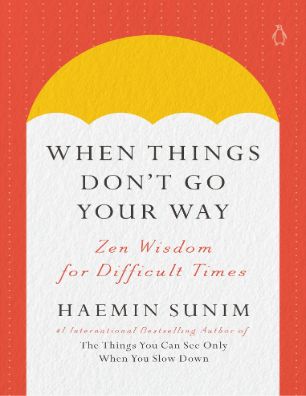
When Things Don't Go Your Way by Haemin Sunim
Noah Walker
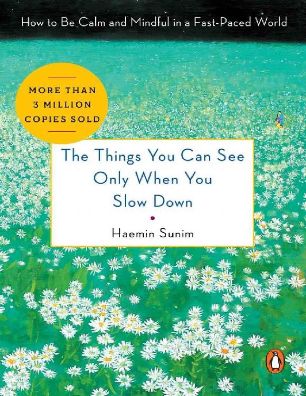
The Things You Can See Only When You Slow Down by Haemin Sunim
Noah Walker

Kokoro by Beth Kempton
Noah Walker
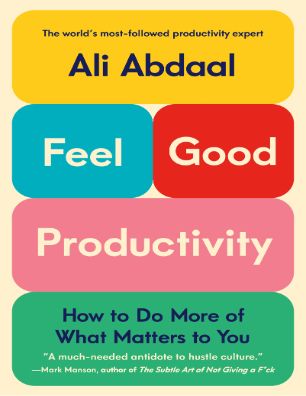
Feel - Good Productivity by Ali Abdaal
Noah Walker

The Compound Effect by Darren Hardy
Noah Walker
The Let Them Theory by Mel Robbins
Noah Walker
Continue Exploring IslandHub
Discover more from across the platform