Books
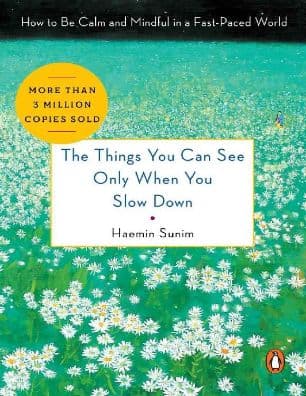
The Things You Can See Only When You Slow Down by Haemin Sunim
FeaturedThe Things You Can See Only When You Slow Down offers timeless reflections on mindfulness, relationships, work, love, and self-compassion. Drawing from Zen Buddhist philosophy and everyday life, Haemin Sunim encourages readers to slow down, become more present, and discover the quiet wisdom often hidden beneath the noise of modern living.
📖 Overview
What if the world isn't moving too fast—but we are?
In The Things You Can See Only When You Slow Down, Zen Buddhist teacher Haemin Sunim explores how the pace of modern life affects our happiness, relationships, and inner peace. Surrounded by constant notifications, endless responsibilities, and the pressure to achieve more, many people find themselves disconnected from the present moment. Sunim gently reminds us that slowing down is not about escaping life—it is about experiencing it more fully.
Through short reflections, practical observations, and compassionate advice, the book examines topics such as mindfulness, self-love, work, relationships, forgiveness, and spirituality. Rather than offering rigid rules or productivity systems, Sunim encourages readers to cultivate awareness, kindness, and acceptance in everyday moments.
More than a mindfulness guide, The Things You Can See Only When You Slow Down is an invitation to rediscover balance. It suggests that many of life's most meaningful insights become visible only when we stop rushing long enough to notice them.
🎯 Why This Book Is Worth Reading
Modern culture often celebrates speed.
This book celebrates presence.
Haemin Sunim argues that happiness is not necessarily found by accomplishing more, but by paying closer attention to what already exists. His reflections encourage readers to approach themselves and others with greater patience, empathy, and compassion while reducing the constant pressure to always be productive.
Its simple writing style makes profound philosophical ideas accessible to readers from every background, offering practical wisdom that can be applied immediately.
👥 Who Should Read This Book
- Readers interested in mindfulness
- Professionals experiencing stress or burnout
- Students balancing busy schedules
- Individuals seeking greater emotional well-being
- Readers exploring Buddhist philosophy
- Anyone looking for a calmer, more intentional way of living
🧠 Key Concepts
- Mindfulness
- Presence
- Self-Compassion
- Gratitude
- Balance
- Emotional Awareness
- Relationships
- Simplicity
- Inner Peace
- Intentional Living
💡 In-Depth Discussion
1. Slowing Down Changes How We See the World
One of the book's central ideas is that our perception is shaped by our pace.
When we constantly rush, we overlook beauty, opportunities, and meaningful connections. By slowing down, we become more attentive to both our surroundings and our inner lives.
2. Compassion Begins with Yourself
Many people find it easier to forgive others than themselves.
Haemin Sunim encourages readers to replace harsh self-judgment with patience and kindness, recognizing that personal growth begins with accepting our own imperfections.
3. Presence Is More Valuable Than Perfection
The pursuit of perfection often distracts us from appreciating the present.
Rather than constantly chasing future achievements, the book reminds readers that fulfillment grows from fully engaging with the moment they are already living.
4. Relationships Flourish Through Attention
Meaningful relationships are strengthened not by grand gestures but by genuine presence.
Listening carefully, expressing gratitude, and offering empathy create deeper human connections than simply spending more time together.
5. Simplicity Creates Clarity
Modern life frequently overwhelms us with choices, information, and expectations.
Sunim demonstrates that simplifying our priorities creates mental space for reflection, creativity, and emotional well-being.
6. Peace Is Cultivated Through Daily Practice
Inner peace is not something we discover once.
It is something we practice every day through mindfulness, gratitude, patience, and intentional living. Small habits gradually shape a calmer and more resilient mind.
🛠 How to Apply the Ideas
You can begin incorporating the book's wisdom into everyday life by:
- Setting aside a few minutes each day for quiet reflection.
- Practicing mindful breathing during stressful moments.
- Reducing unnecessary digital distractions.
- Giving your full attention during conversations.
- Keeping a daily gratitude journal.
- Prioritizing meaningful experiences over constant productivity.
🌟 IslandHub Insight
One of the most refreshing ideas in The Things You Can See Only When You Slow Down is that slowing down is not laziness—it is a form of wisdom.
Modern society often measures success by speed, efficiency, and constant activity. Yet many of life's most valuable experiences—deep conversations, meaningful relationships, creative ideas, and personal insight—cannot be rushed. They require attention, patience, and presence.
Haemin Sunim reminds us that peace is not found by escaping the world, but by changing the way we experience it. When we become fully present, ordinary moments often reveal extraordinary meaning.
At IslandHub, we believe this book is ultimately about living intentionally. Knowledge becomes transformative not when we consume more information, but when we pause long enough to understand, appreciate, and apply what truly matters.
📚 Related Books
- When Things Don't Go Your Way — Haemin Sunim
- The Comfort Book — Matt Haig
- The Untethered Soul — Michael A. Singer
- Wherever You Go, There You Are — Jon Kabat-Zinn
- The Miracle of Mindfulness — Thich Nhat Hanh
❓ Questions to Reflect On
- Which parts of your life feel rushed, and what might change if you slowed down?
- How often do you give your full attention to the present moment?
- What small daily practices help you feel more grounded, grateful, and at peace?
📖 References
- Sunim, H. (2017). The Things You Can See Only When You Slow Down. Penguin Books.
- Sunim, H. Public talks and writings on mindfulness, compassion, and Buddhist philosophy.
- Buddhist teachings on mindfulness, presence, and compassion that inform the author's work.
Continue Learning
Deepen your understanding with related content

Ekonomi Indonesia 2026: Mengapa Rupiah "Tumbang" Saat Pertumbuhan Tetap Solid?
Noah Walker

Rahasia Metabolisme: Mengapa Gaya Hidup Modern Diam-Diam Menghambat Tujuan Sehat Anda?
Noah Walker

Paradoks Listrik 2026: Antara Jebakan Inflasi 4,76% dan Ambisi Kedaulatan Energi di Selat Hormuz
Noah Walker

Subsidi BBM 2026: Beban Rp210T di APBN demi Harga BBM Stabil
Noah Walker
Apply What You Learned
Try these tools to put your knowledge into practice
Explore Similar
Readers also explored these resources
When Things Don't Go Your Way by Haemin Sunim
Noah Walker
Love For Imperfect Things by Haemin Sunim
Noah Walker
.jpg)
Ikigai
Noah Walker
Jeffrey Gitomer's Little Red Book Of Selling by Jeffrey Gitomer
Noah Walker

The Greatest Salesman In The World by Og Mandino
Noah Walker
Dopamine Detox by THIBAUT. MEURISSE
Noah Walker
Continue Exploring IslandHub
Discover more from across the platform