Books
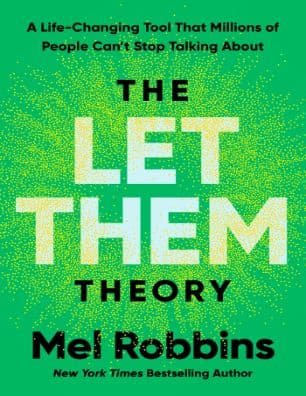
The Let Them Theory by Mel Robbins
FeaturedThe Let Them Theory introduces a simple yet transformative mindset for reducing stress, strengthening relationships, and reclaiming personal freedom. Mel Robbins argues that by letting people make their own choices instead of trying to control them, we can redirect our energy toward our own growth, happiness, and well-being.
📖 Overview
What if the key to greater peace isn't changing other people—but changing how you respond to them?
In The Let Them Theory, bestselling author and motivational speaker Mel Robbins introduces a practical philosophy built around two words: Let Them. Whether someone disappoints you, misunderstands you, excludes you, or makes choices you disagree with, Robbins argues that attempting to control their behavior often creates unnecessary frustration. Instead, she encourages readers to accept that other people are responsible for their own decisions.
However, the philosophy doesn't end with acceptance. Once you "let them" act according to their values and choices, the next step is to ask, "Now what will I do?" This shift redirects attention from external circumstances toward personal responsibility, emotional resilience, and intentional action.
More than a self-help book, The Let Them Theory is a guide to emotional freedom. It teaches readers how to stop wasting energy on what they cannot control and instead invest that energy in building healthier relationships, stronger boundaries, and a more fulfilling life.
🎯 Why This Book Is Worth Reading
Many people spend enormous amounts of emotional energy trying to manage the opinions, behaviors, and expectations of others.
Mel Robbins offers a liberating alternative.
Instead of reacting to every disappointment or conflict, she encourages readers to accept reality as it is and focus on the only thing they truly control: themselves. This mindset reduces anxiety, improves decision-making, and creates healthier relationships grounded in mutual respect rather than control.
Its simple language and immediately actionable advice make the book accessible to readers from all walks of life.
👥 Who Should Read This Book
- Individuals struggling with people-pleasing
- Professionals managing workplace relationships
- Parents and caregivers
- Students and young adults
- Readers interested in psychology
- Anyone seeking healthier boundaries and emotional resilience
🧠 Key Concepts
- Let Them Theory
- Emotional Freedom
- Personal Responsibility
- Boundaries
- Acceptance
- Self-Awareness
- Relationships
- Emotional Intelligence
- Resilience
- Personal Growth
💡 In-Depth Discussion
1. You Cannot Control Other People
The central idea of the book is straightforward:
People will think what they think, make the choices they make, and behave according to their own priorities.
Trying to control those decisions often leads to disappointment and unnecessary emotional exhaustion.
2. Acceptance Creates Freedom
Accepting reality does not mean approving of everything that happens.
It simply means recognizing situations as they are before deciding how to respond. This mindset prevents us from becoming trapped in endless frustration over circumstances beyond our control.
3. Boundaries Protect Your Energy
Rather than attempting to change others, Robbins encourages readers to establish healthy boundaries.
Boundaries allow us to protect our emotional well-being while maintaining respectful relationships built on personal responsibility rather than obligation.
4. Focus on Your Own Choices
After saying "Let Them," the next question becomes:
"Let Me..."
Let me choose how I respond.
Let me decide my next action.
Let me invest my time where it creates the greatest value.
This shift transforms passive acceptance into intentional living.
5. Rejection Often Provides Clarity
Not every opportunity, relationship, or friendship is meant to last.
The book encourages readers to view rejection not as evidence of personal failure but as information that helps clarify where they truly belong.
6. Peace Comes from Releasing Control
Much of our stress originates from attempting to manage outcomes that ultimately belong to other people.
Learning to release that need for control creates greater emotional stability, confidence, and resilience.
🛠 How to Apply the Ideas
You can begin practicing the Let Them Theory by:
- Pausing before reacting to disappointing behavior.
- Accepting that others are responsible for their own decisions.
- Asking yourself, "What can I control right now?"
- Setting healthy boundaries instead of trying to change people.
- Redirecting your energy toward your own goals and values.
- Practicing emotional detachment from situations outside your control.
🌟 IslandHub Insight
One of the strengths of The Let Them Theory is its simplicity. The phrase "Let Them" is easy to remember, but its real value lies in what comes next.
Acceptance alone is not enough. Once we stop trying to control others, we are challenged to take responsibility for our own response. This second step transforms the idea from passive resignation into active personal growth.
The book also highlights an important psychological principle: much of our stress comes not from what people do, but from our belief that they should behave differently. Releasing that expectation often creates immediate emotional relief.
At IslandHub, we believe The Let Them Theory is ultimately about reclaiming agency. By letting go of what lies outside our control, we create more space to focus on our values, our choices, and the kind of person we want to become.
📚 Related Books
- The 5 Second Rule — Mel Robbins
- The Subtle Art of Not Giving a Fck* — Mark Manson
- Essentialism — Greg McKeown
- The Mountain Is You — Brianna Wiest
- The Gifts of Imperfection — Brené Brown
❓ Questions to Reflect On
- Which situations in your life cause stress because you are trying to control someone else's choices?
- What would change if you focused more on your response than on other people's behavior?
- How can stronger personal boundaries improve your relationships and emotional well-being?
📖 References
- Robbins, M. (2024). The Let Them Theory. Hay House.
- Robbins, M. Public talks, podcasts, and interviews on emotional resilience, personal responsibility, and behavior change.
- Psychological research on locus of control, emotional regulation, and healthy interpersonal boundaries.
Continue Learning
Deepen your understanding with related content

Ekonomi Indonesia 2026: Mengapa Rupiah "Tumbang" Saat Pertumbuhan Tetap Solid?
Noah Walker

Rahasia Metabolisme: Mengapa Gaya Hidup Modern Diam-Diam Menghambat Tujuan Sehat Anda?
Noah Walker

Paradoks Listrik 2026: Antara Jebakan Inflasi 4,76% dan Ambisi Kedaulatan Energi di Selat Hormuz
Noah Walker

Subsidi BBM 2026: Beban Rp210T di APBN demi Harga BBM Stabil
Noah Walker
Apply What You Learned
Try these tools to put your knowledge into practice
Explore Similar
Readers also explored these resources
Continue Exploring IslandHub
Discover more from across the platform