Books
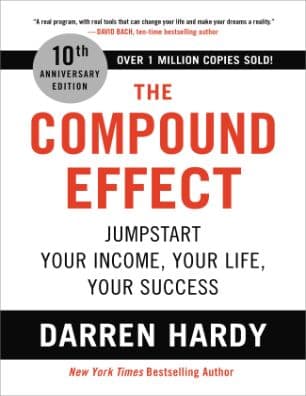
The Compound Effect by Darren Hardy
The Compound Effect explains how small, consistent choices can produce remarkable results over time. Darren Hardy shows how everyday habits, personal responsibility, momentum, and disciplined action gradually shape our health, finances, relationships, and success—demonstrating that lasting transformation rarely comes from dramatic breakthroughs, but from simple actions repeated consistently.
📖 Overview
Why do seemingly insignificant choices sometimes lead to dramatically different outcomes over time?
In The Compound Effect, Darren Hardy argues that extraordinary results are rarely produced by one extraordinary decision. Instead, they emerge from hundreds of small choices repeated consistently over long periods.
The book applies the principle of compounding—commonly associated with finance—to everyday behavior. A small positive habit may initially appear to make little difference, but repeated over months or years, its effects can become substantial. The same principle applies in the opposite direction: small negative choices can gradually accumulate into serious problems.
Hardy explores how choices, habits, momentum, environment, and consistency interact to shape long-term outcomes. Rather than promising shortcuts, the book emphasizes personal responsibility and disciplined execution.
Its central message is simple: small actions matter because they rarely remain small when repeated long enough.
🎯 Why This Book Is Worth Reading
Many self-improvement books focus on dramatic transformation.
The Compound Effect focuses on something less exciting but often more realistic: consistency.
Hardy explains why progress can feel invisible at first and why people frequently abandon good habits before those habits have had enough time to produce meaningful results.
The book is particularly valuable for understanding that success is often not about discovering a secret strategy. It is about repeatedly making slightly better decisions—even when the immediate reward is difficult to see.
👥 Who Should Read This Book
- Anyone trying to build better habits
- Readers interested in personal development
- Entrepreneurs and professionals pursuing long-term goals
- Students developing greater discipline and consistency
- People struggling to maintain routines
- Anyone interested in understanding how small decisions shape long-term outcomes
🧠 Key Concepts
- The Compound Effect
- Small Choices
- Habit Formation
- Personal Responsibility
- Consistency
- Momentum
- Behavioral Tracking
- Goal Setting
- Environment
- Long-Term Thinking
💡 In-Depth Discussion
1. Small Choices Accumulate
One decision usually does not transform your life.
The power comes from repetition.
Reading ten pages once may accomplish little. Reading ten pages every day can mean thousands of pages over a year.
The same principle applies to exercise, spending, learning, relationships, and countless other areas of life.
2. Take Responsibility for Your Outcomes
Hardy places strong emphasis on personal responsibility.
Rather than constantly blaming circumstances, luck, or other people, he encourages readers to identify the decisions they can actually control.
This shift matters because improvement becomes possible when we recognize the connection between our behavior and our outcomes.
3. Track What You Want to Improve
Awareness often precedes change.
Hardy recommends tracking important behaviors because people frequently underestimate what they actually do.
Someone trying to save money might track every purchase. Someone improving their health might track meals or workouts.
Measurement transforms vague impressions into observable patterns.
4. Habits Quietly Shape Your Future
Much of daily life operates automatically.
Repeated behaviors gradually become habits, reducing the amount of conscious effort required to perform them.
The challenge is that this works for both beneficial and harmful behaviors.
Hardy's framework therefore encourages readers to deliberately identify habits that move them toward their goals and replace those that consistently move them away.
5. Momentum Makes Progress Easier
Starting is often the hardest part.
Once positive behaviors become routine, however, maintaining them can become progressively easier.
Hardy describes this as Big Mo—momentum.
Consistency creates rhythm, rhythm strengthens habits, and strong habits make continued progress easier.
6. Your Environment Influences Your Behavior
Success is not determined by willpower alone.
The information you consume, people you spend time with, and environments you repeatedly enter can influence your decisions.
Changing your surroundings can therefore make good behaviors easier and unwanted behaviors harder.
🛠 How to Apply the Ideas
A practical way to apply The Compound Effect is to:
- Choose one meaningful long-term goal.
- Identify the small behaviors that influence that goal.
- Track those behaviors consistently.
- Remove one recurring negative habit.
- Introduce one small positive habit.
- Create an environment that supports the new behavior.
- Continue long enough for the effects to accumulate.
The important part is resisting the temptation to constantly change strategies simply because results are not immediately visible.
🌟 IslandHub Insight
The most important idea in The Compound Effect may also be the easiest to underestimate:
Small decisions become powerful when given enough time.
We naturally notice dramatic events, but much of life is shaped quietly.
One workout will not make someone fit. One study session will not create expertise. One unnecessary purchase will probably not cause financial problems.
But repeated hundreds or thousands of times, these behaviors begin to define outcomes.
This makes consistency a form of leverage.
At IslandHub, we can apply the same principle to learning. Reading a few pages, taking one useful note, practicing one concept, or learning something new each day may feel insignificant in isolation.
Over years, those small acts can compound into something much larger: knowledge, skills, judgment, and eventually expertise.
📚 Related Books
- Atomic Habits — James Clear
- The Power of Habit — Charles Duhigg
- Tiny Habits — BJ Fogg
- Essentialism — Greg McKeown
- The 7 Habits of Highly Effective People — Stephen R. Covey
❓ Questions to Reflect On
- Which small habit in your life is currently compounding in the wrong direction?
- What simple action could you repeat every day for the next year?
- Where are you expecting immediate results from something that naturally requires time?
📖 References
- Hardy, D. The Compound Effect.
- Clear, J. Atomic Habits.
- Duhigg, C. The Power of Habit.
- Fogg, B. J. Tiny Habits.
Continue Learning
Deepen your understanding with related content
Ekonomi Indonesia 2026: Mengapa Rupiah "Tumbang" Saat Pertumbuhan Tetap Solid?
Noah Walker
Rahasia Metabolisme: Mengapa Gaya Hidup Modern Diam-Diam Menghambat Tujuan Sehat Anda?
Noah Walker

Paradoks Listrik 2026: Antara Jebakan Inflasi 4,76% dan Ambisi Kedaulatan Energi di Selat Hormuz
Noah Walker

Subsidi BBM 2026: Beban Rp210T di APBN demi Harga BBM Stabil
Noah Walker
Apply What You Learned
Try these tools to put your knowledge into practice
Explore Similar
Readers also explored these resources

Jeffrey Gitomer's Little Red Book Of Selling by Jeffrey Gitomer
Noah Walker

The Greatest Salesman In The World by Og Mandino
Noah Walker
Feel - Good Productivity by Ali Abdaal
Noah Walker
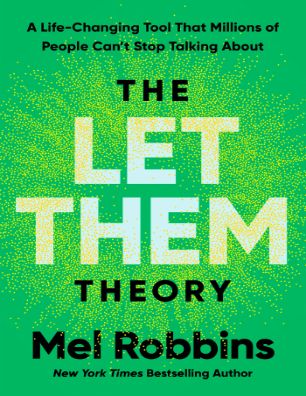
The Let Them Theory by Mel Robbins
Noah Walker
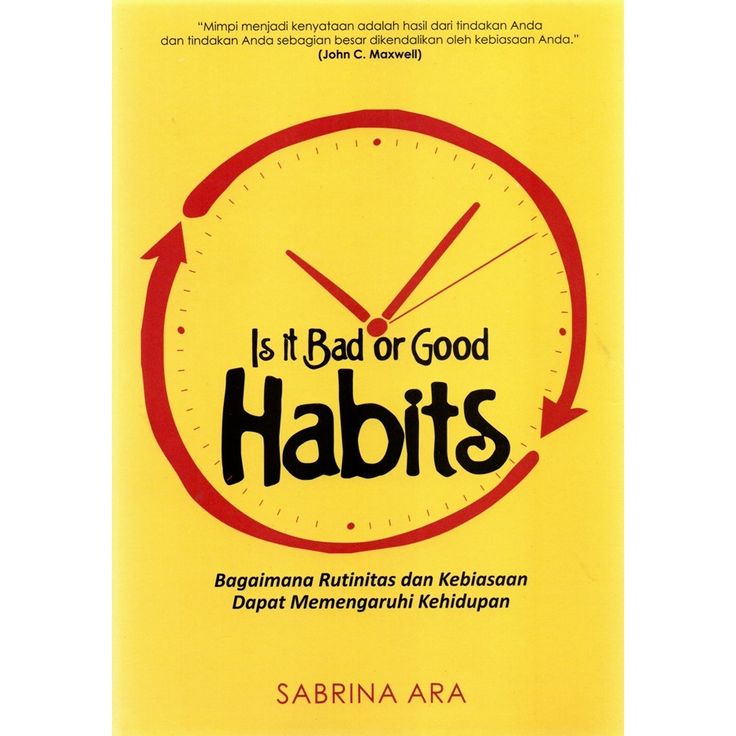
It Is Bad or Good Habits
Noah Walker
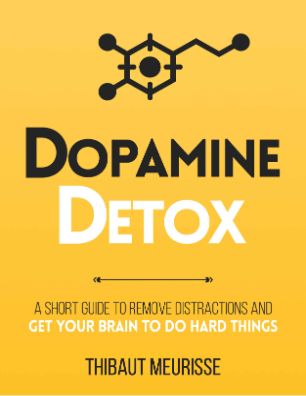
Dopamine Detox by THIBAUT. MEURISSE
Noah Walker
Continue Exploring IslandHub
Discover more from across the platform