Books
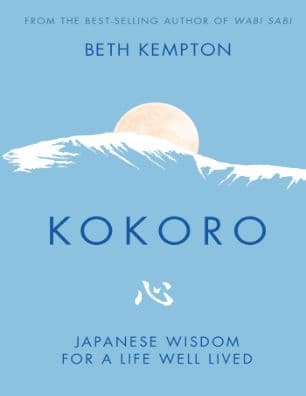
Kokoro by Beth Kempton
Kokoro explores the Japanese understanding of the heart-mind as a source of wisdom, resilience, and authentic living. Through reflections on grief, nature, mindfulness, and Japanese philosophy, Beth Kempton encourages readers to embrace impermanence, reconnect with themselves, and find beauty even in life's most difficult seasons.
📖 Overview
What if true peace comes not from controlling life, but from learning to live in harmony with its impermanence?
In Kokoro, Japanologist and author Beth Kempton embarks on a deeply personal journey across rural Japan following a period of profound loss. Searching for answers to questions about grief, change, purpose, and healing, she encounters ancient traditions, spiritual teachers, local communities, and timeless philosophies that gradually reshape her understanding of what it means to live well.
At the center of the book is the Japanese word kokoro, often translated as "heart," but more accurately understood as the unity of heart, mind, emotions, and spirit. Kempton explores how this concept influences Japanese culture, mindfulness, relationships, creativity, and resilience, showing that a meaningful life is built not by avoiding hardship but by embracing it with openness and compassion.
More than a travel memoir or philosophy book, Kokoro is an invitation to slow down, reconnect with what truly matters, and cultivate an inner life rooted in gratitude, acceptance, and quiet courage.
🎯 Why This Book Is Worth Reading
Modern life often encourages constant achievement and external success.
Kokoro offers a different perspective.
Rather than asking readers to optimize every aspect of life, Beth Kempton encourages them to cultivate a deeper relationship with themselves, with nature, and with the present moment. The book gently reminds us that fulfillment often emerges not through greater control, but through greater awareness and acceptance.
Its blend of memoir, Japanese philosophy, and practical reflection makes it both emotionally moving and intellectually enriching.
👥 Who Should Read This Book
- Readers interested in Japanese culture
- Individuals navigating grief or life transitions
- Mindfulness practitioners
- Readers exploring philosophy and spirituality
- Anyone seeking a slower, more intentional life
- Lifelong learners interested in personal growth
🧠 Key Concepts
- Kokoro
- Mindfulness
- Impermanence
- Self-Reflection
- Resilience
- Japanese Philosophy
- Acceptance
- Nature
- Gratitude
- Authentic Living
💡 In-Depth Discussion
1. Kokoro Is More Than the Heart
The Japanese concept of kokoro cannot be translated by a single English word.
It represents the integration of thoughts, emotions, intuition, and spirit, reminding us that wisdom often arises from balancing both intellect and feeling rather than relying on one alone.
2. Impermanence Gives Life Meaning
A recurring theme throughout the book is the Japanese appreciation of impermanence.
Instead of resisting change, Kempton suggests that recognizing life's temporary nature allows us to appreciate beauty, relationships, and everyday moments more deeply.
3. Nature Is a Teacher
The landscapes of rural Japan become more than settings for the author's journey—they become sources of insight.
Changing seasons, forests, mountains, and rivers illustrate the rhythms of life, reminding readers that growth and renewal naturally follow periods of loss and uncertainty.
4. Healing Happens Through Presence
Rather than searching for quick solutions to grief or emotional pain, the book emphasizes the importance of simply being present.
Healing often begins when we allow ourselves to fully experience difficult emotions instead of trying to escape them.
5. Wisdom Is Found in Ordinary Moments
Many of the book's lessons emerge through simple conversations, quiet walks, shared meals, and everyday encounters.
Kempton demonstrates that profound insights often arise from ordinary experiences when we learn to pay attention.
6. Living Authentically Requires Courage
Kokoro encourages readers to live according to their own values instead of constantly seeking external validation.
Authenticity grows from listening carefully to one's inner voice while remaining open to change, compassion, and lifelong learning.
🛠 How to Apply the Ideas
You can bring the spirit of Kokoro into everyday life by:
- Spending time in nature without distractions.
- Practicing mindfulness during ordinary daily activities.
- Accepting change as a natural part of life.
- Creating space for quiet reflection and journaling.
- Prioritizing meaningful relationships over constant busyness.
- Appreciating small moments of beauty throughout the day.
🌟 IslandHub Insight
One of the most beautiful aspects of Kokoro is its reminder that wisdom is not always found through achievement or certainty.
Beth Kempton suggests that life's most meaningful lessons often emerge during seasons of uncertainty, grief, and transition—moments when we are invited to slow down and pay closer attention to what truly matters.
The book also introduces readers to a broader understanding of intelligence. Rather than separating the mind from the heart, kokoro teaches that compassion, intuition, emotion, and reason work together to shape a meaningful life.
At IslandHub, we believe Kokoro is ultimately a book about living with greater humanity. It invites readers to embrace imperfection, cultivate presence, and discover that a fulfilled life is not measured by how much we accomplish, but by how deeply we experience the world and connect with others.
📚 Related Books
- The Things You Can See Only When You Slow Down — Haemin Sunim
- Love for Imperfect Things — Haemin Sunim
- Ikigai — Héctor García & Francesc Miralles
- The Book of Ichigo Ichie — Héctor García & Francesc Miralles
- Wabi Sabi — Beth Kempton
❓ Questions to Reflect On
- What does your own kokoro—your heart and inner self—need most at this stage of your life?
- How might accepting impermanence change the way you experience relationships, success, or loss?
- Which daily habits help you cultivate greater presence, gratitude, and inner peace?
📖 References
- Kempton, B. (2024). Kokoro: Japanese Wisdom for a Life Well Lived. Piatkus / Hachette UK.
- Kempton, B. Wabi Sabi: Japanese Wisdom for a Perfectly Imperfect Life.
- Teachings from Japanese Zen Buddhism, aesthetics, and cultural philosophy that inform the concept of kokoro.
Continue Learning
Deepen your understanding with related content

Ekonomi Indonesia 2026: Mengapa Rupiah "Tumbang" Saat Pertumbuhan Tetap Solid?
Noah Walker

Rahasia Metabolisme: Mengapa Gaya Hidup Modern Diam-Diam Menghambat Tujuan Sehat Anda?
Noah Walker

Paradoks Listrik 2026: Antara Jebakan Inflasi 4,76% dan Ambisi Kedaulatan Energi di Selat Hormuz
Noah Walker

Subsidi BBM 2026: Beban Rp210T di APBN demi Harga BBM Stabil
Noah Walker
Apply What You Learned
Try these tools to put your knowledge into practice
Explore Similar
Readers also explored these resources

Love For Imperfect Things by Haemin Sunim
Noah Walker

Feel - Good Productivity by Ali Abdaal
Noah Walker

The Compound Effect by Darren Hardy
Noah Walker
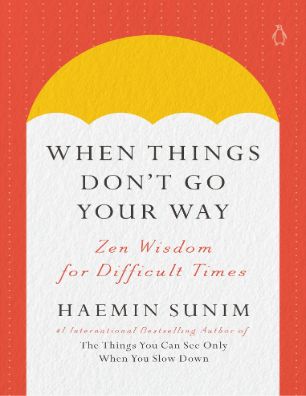
When Things Don't Go Your Way by Haemin Sunim
Noah Walker
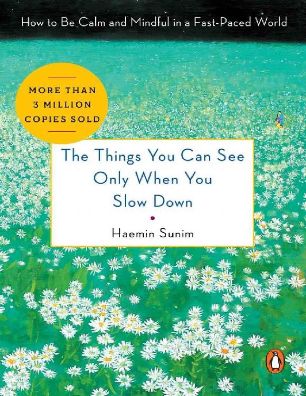
The Things You Can See Only When You Slow Down by Haemin Sunim
Noah Walker

The Let Them Theory by Mel Robbins
Noah Walker
Continue Exploring IslandHub
Discover more from across the platform