Books
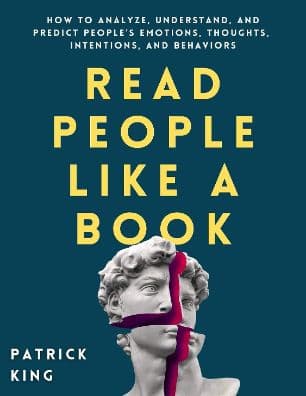
Official Workbook: Read People Like Book by Patrick King
Official Workbook: Read People Like a Book is a practical companion designed to turn Patrick King’s ideas about understanding human behavior into active exercises. Through guided questions, observations, and behavioral analysis, the workbook helps readers practice interpreting body language, recognizing emotional cues, examining motivations, and becoming more thoughtful observers of how people communicate and behave.
📖 Overview
Understanding people involves more than simply listening to what they say. Tone of voice, body language, emotional reactions, habits, context, and past experiences can all provide clues about what someone may be thinking or feeling.
Official Workbook: Read People Like a Book by Patrick King is designed as a practical companion to Read People Like a Book. Rather than simply presenting theories about human behavior, the workbook encourages readers to actively practice observing, interpreting, and reflecting on social behavior.
Through exercises and guided reflection, readers can explore concepts such as nonverbal communication, personality, motivation, emotional cues, and behavioral patterns. The objective is not literal “mind reading,” but developing stronger observation and interpersonal awareness.
🎯 Why This Book Is Worth Reading
Knowing psychological concepts is different from being able to recognize them in everyday situations.
That is where this workbook becomes useful.
Instead of passively reading about body language or human behavior, readers are encouraged to apply those concepts through exercises and observation.
This can help develop a more systematic approach to understanding social interactions while also encouraging readers to consider context rather than jumping immediately to conclusions about another person's intentions.
👥 Who Should Read This Book
- Readers of Read People Like a Book
- Students interested in psychology
- Professionals who regularly interact with people
- Leaders and managers
- Sales and negotiation professionals
- Anyone interested in communication and human behavior
🧠 Key Concepts
- Human Behavior
- Body Language
- Nonverbal Communication
- Emotional Cues
- Motivation
- Personality
- Behavioral Patterns
- Social Observation
- Interpersonal Communication
- Self-Awareness
💡 In-Depth Discussion
1. Observation Before Interpretation
One of the most useful skills when understanding people is learning to separate what happened from what we think it means.
Suppose someone crosses their arms during a conversation.
It might indicate discomfort.
But they could also be cold, tired, comfortable in that position, or simply behaving habitually.
Good observation begins with noticing behavior without immediately assigning meaning to it.
2. Reading Nonverbal Communication
Human communication extends beyond words.
Facial expressions, posture, gestures, eye contact, physical distance, and tone can provide additional information about a person's emotional state.
The workbook encourages readers to become more attentive to these signals.
However, individual signals should generally be interpreted alongside context and other behaviors rather than treated as definitive evidence.
3. Understanding Behavioral Patterns
Individual actions can be ambiguous.
Patterns are often more informative.
If you understand how someone normally behaves, unusual changes may become easier to notice.
This makes establishing a person's typical behavior—or baseline—important when interpreting social situations.
4. Looking Beneath Behavior
People rarely behave without reasons.
Behind an action may be:
- desires,
- fears,
- incentives,
- beliefs,
- previous experiences,
- social pressures,
- or emotional needs.
Understanding behavior therefore requires asking not only:
“What is this person doing?”
but also:
“What factors might be influencing this behavior?”
5. Emotions Influence Communication
Emotions affect how people speak, behave, interpret situations, and respond to others.
Developing emotional awareness can therefore improve interpersonal understanding.
Rather than simply reacting to someone's behavior, readers can learn to consider what emotional state might be influencing the interaction.
6. Understanding Yourself Improves Your Ability to Understand Others
Observing other people is only part of the process.
We interpret others through our own assumptions, experiences, expectations, and biases.
Someone we perceive as unfriendly, for example, may simply communicate differently from us.
Self-awareness helps separate genuine behavioral observations from interpretations created by our own expectations.
🛠 How to Apply the Ideas
One simple exercise is to create a People Observation Journal.
After an important interaction, record:
Situation: What happened?
Observable behavior: What did the person actually say or do?
Possible interpretation: What might the behavior mean?
Alternative explanations: What else could explain it?
Context: What circumstances might have influenced the behavior?
Outcome: What eventually happened?
Over time, compare your interpretations with actual outcomes.
This turns people-reading into a learning process rather than a collection of assumptions.
🌟 IslandHub Insight
The most valuable lesson from a workbook about reading people may actually be learning not to read people too quickly.
Human behavior is noisy.
A gesture does not automatically reveal an intention. Avoiding eye contact does not necessarily indicate dishonesty. Nervousness does not automatically mean someone is hiding something.
The better approach is:
Observe → Gather Context → Identify Patterns → Form a Hypothesis → Stay Open to Being Wrong
That last step matters.
Understanding people is probabilistic rather than certain.
The real advantage of studying human behavior isn't becoming a “mind reader.” It is becoming a more careful observer—someone who notices more information while making fewer premature assumptions.
📚 Related Books
- Read People Like a Book — Patrick King
- What Every BODY Is Saying — Joe Navarro
- Thinking, Fast and Slow — Daniel Kahneman
- Influence — Robert Cialdini
- Emotional Intelligence — Daniel Goleman
❓ Questions to Reflect On
- How often do you confuse your interpretation of someone's behavior with what you actually observed?
- Which nonverbal signals do you tend to notice most during conversations?
- How might your own expectations and biases influence the way you interpret other people?
📖 References
- King, P. Official Workbook: Read People Like a Book.
- King, P. Read People Like a Book.
- Navarro, J. What Every BODY Is Saying.
- Kahneman, D. Thinking, Fast and Slow.
- Cialdini, R. B. Influence.
Continue Learning
Deepen your understanding with related content

Ekonomi Indonesia 2026: Mengapa Rupiah "Tumbang" Saat Pertumbuhan Tetap Solid?
Noah Walker

Rahasia Metabolisme: Mengapa Gaya Hidup Modern Diam-Diam Menghambat Tujuan Sehat Anda?
Noah Walker

Paradoks Listrik 2026: Antara Jebakan Inflasi 4,76% dan Ambisi Kedaulatan Energi di Selat Hormuz
Noah Walker

Subsidi BBM 2026: Beban Rp210T di APBN demi Harga BBM Stabil
Noah Walker
Apply What You Learned
Try these tools to put your knowledge into practice
Explore Similar
Readers also explored these resources
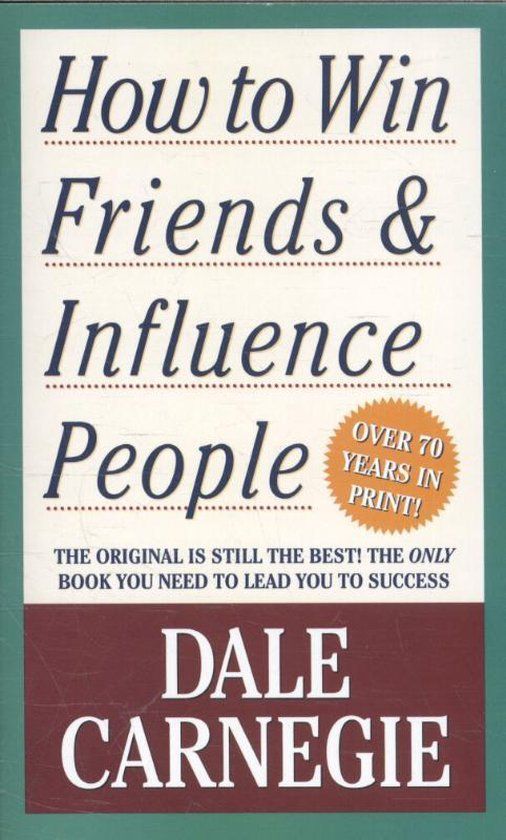
How to Win Friends & Influence People by Dale Carnegie
Noah Walker
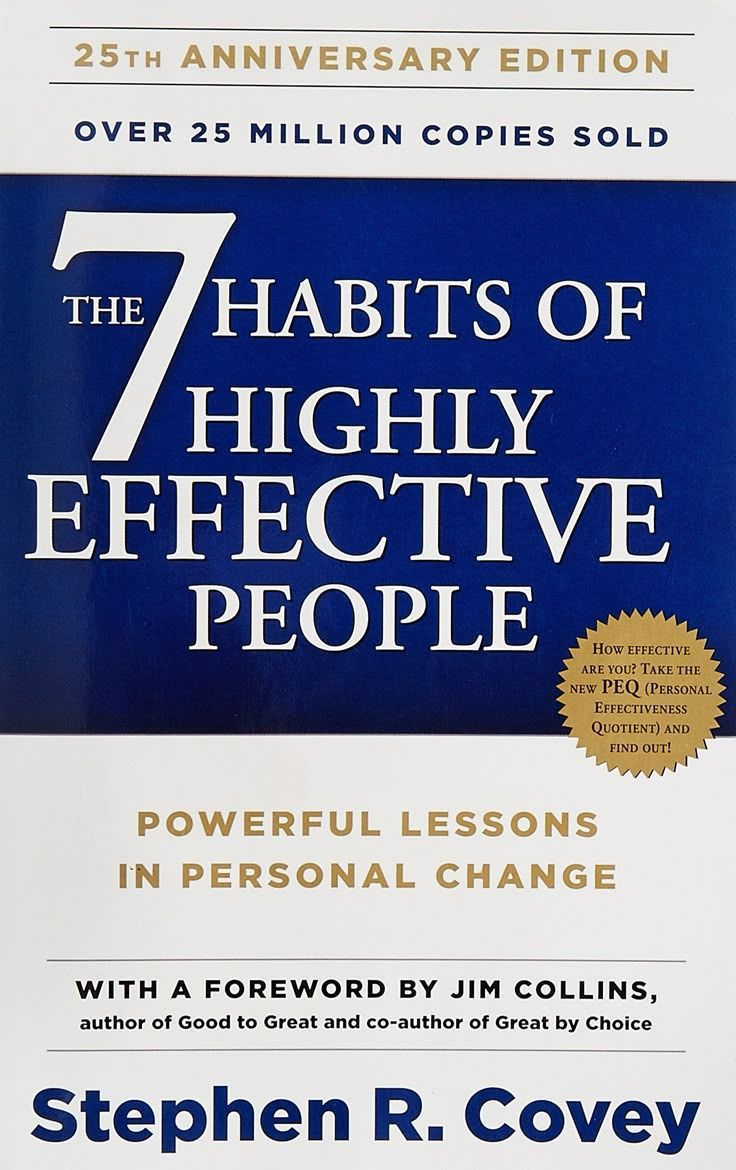
The 7 habits of highly effective people
Noah Walker

I Want To Die But Want To Eat Tteokbokki by Baek Sehee
Noah Walker
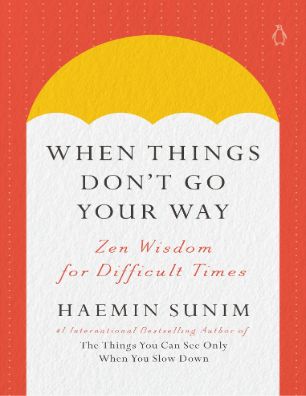
When Things Don't Go Your Way by Haemin Sunim
Noah Walker
The Let Them Theory by Mel Robbins
Noah Walker

Think Again by Adam Grant
Noah Walker
Continue Exploring IslandHub
Discover more from across the platform