Books
How to Win Friends & Influence People by Dale Carnegie
FeaturedDale Carnegie shares timeless principles for improving communication, building trust, influencing others, and creating stronger personal and professional relationships.
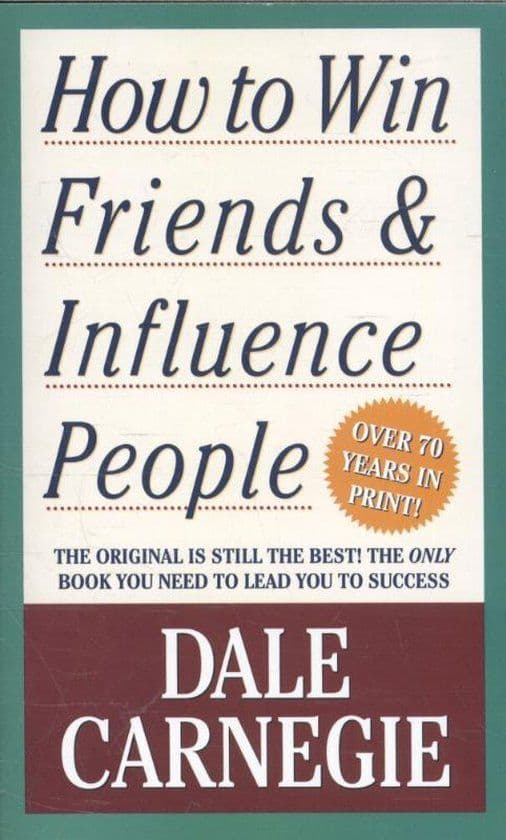
How to Win Friends & Influence People by Dale Carnegie: Timeless Principles for Building Meaningful Relationships
First published in 1936, How to Win Friends & Influence People remains one of the most influential books ever written on communication, relationships, and human behavior. While technology, industries, and societies have changed dramatically over the decades, Dale Carnegie's insights into how people think, feel, and interact remain remarkably relevant.
At the heart of the book is a simple idea: success often depends not only on technical skills or intelligence, but also on the ability to connect with people. Whether in business, leadership, education, or everyday life, strong relationships create opportunities, build trust, and help individuals achieve their goals more effectively.
One of Carnegie's most famous principles is the importance of showing genuine interest in others. People naturally appreciate being heard, understood, and valued. Rather than focusing on impressing others, Carnegie encourages readers to listen attentively, ask thoughtful questions, and sincerely care about the perspectives of those around them.
Another key lesson is the power of appreciation. Carnegie argues that honest and sincere recognition can motivate people far more effectively than criticism. While many individuals are quick to point out mistakes, those who acknowledge strengths and contributions often build stronger and more productive relationships.
The book also explores how to handle disagreements constructively. Carnegie advises against direct confrontation whenever possible, noting that people rarely change their opinions when they feel attacked or embarrassed. Instead, successful communicators seek common ground, respect differing viewpoints, and guide conversations in a positive direction.
Leadership is another major theme throughout the book. Carnegie demonstrates that effective leaders inspire cooperation by encouraging others, recognizing achievements, and creating an environment where people feel respected. Influence, according to Carnegie, is not about authority or manipulation but about understanding human nature and building trust.
Although written nearly a century ago, the principles in How to Win Friends & Influence People continue to be applied by entrepreneurs, executives, educators, sales professionals, and leaders worldwide. The book's enduring popularity reflects the timeless importance of communication and interpersonal skills.
Ultimately, Carnegie's message is straightforward yet powerful: people are more likely to support, trust, and cooperate with those who treat them with respect, empathy, and genuine interest. Mastering these principles can improve both professional success and personal relationships.
Continue Learning
Deepen your understanding with related content

Ekonomi Indonesia 2026: Mengapa Rupiah "Tumbang" Saat Pertumbuhan Tetap Solid?
Noah Walker

Rahasia Metabolisme: Mengapa Gaya Hidup Modern Diam-Diam Menghambat Tujuan Sehat Anda?
Noah Walker

Paradoks Listrik 2026: Antara Jebakan Inflasi 4,76% dan Ambisi Kedaulatan Energi di Selat Hormuz
Noah Walker

Subsidi BBM 2026: Beban Rp210T di APBN demi Harga BBM Stabil
Noah Walker
Apply What You Learned
Try these tools to put your knowledge into practice
Explore Similar
Readers also explored these resources



Continue Exploring IslandHub
Discover more from across the platform