Books
Creativity, Inc. by ED Catmull
FeaturedEd Catmull shares how Pixar built a culture of trust, creativity, and innovation, revealing valuable lessons on leadership, collaboration, and continuous improvement.
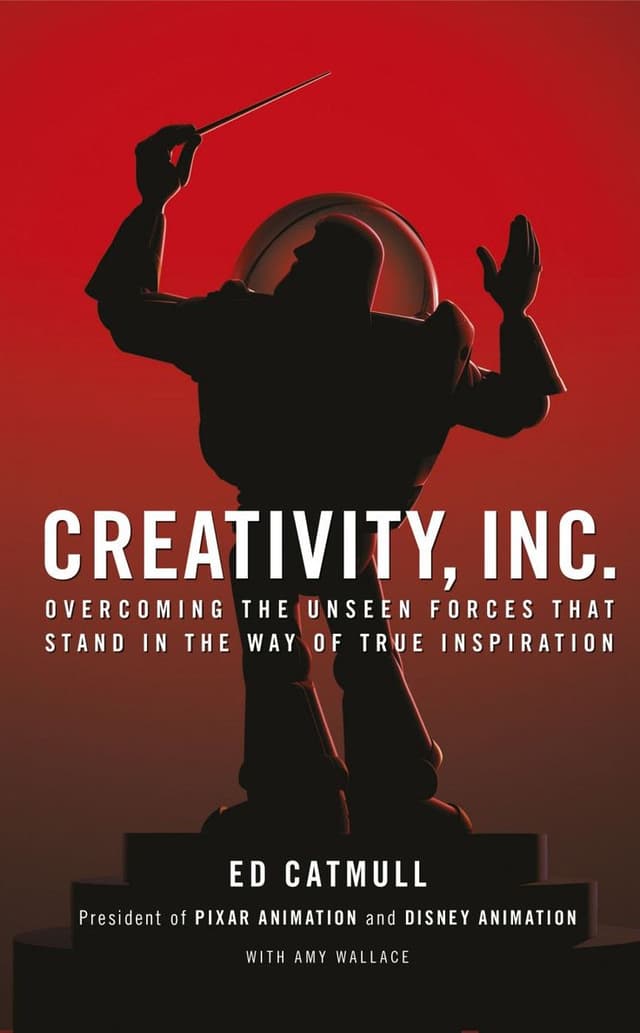
Creativity, Inc. by Ed Catmull: Building a Culture Where Creativity Can Thrive
Creativity is often viewed as the product of individual talent or inspiration. However, in Creativity, Inc., Ed Catmull—co-founder of Pixar Animation Studios and former president of Pixar and Disney Animation—argues that lasting innovation is not simply about hiring creative people. It is about building an environment where creativity can consistently flourish.
Drawing from Pixar's journey in creating groundbreaking films such as Toy Story, Finding Nemo, and Up, Catmull shares lessons on leadership, teamwork, innovation, and organizational culture. The book provides a rare behind-the-scenes look at how one of the world's most successful creative companies nurtures ideas and transforms them into extraordinary products.
One of the book's central themes is that great ideas are fragile in their early stages. Many organizations focus heavily on generating ideas but fail to create systems that help those ideas develop and improve. Catmull emphasizes that leaders should focus on building great teams and processes rather than relying solely on great ideas.
Another key lesson is the importance of psychological safety. At Pixar, employees are encouraged to challenge assumptions, provide honest feedback, and openly discuss problems. Catmull believes that organizations become stronger when people feel comfortable sharing concerns without fear of punishment or embarrassment.
The book also highlights the value of embracing failure. Innovation inevitably involves experimentation, uncertainty, and mistakes. Rather than avoiding failure, successful creative organizations learn from it. Pixar's development process often includes significant revisions and setbacks before reaching a final product, demonstrating that excellence emerges through iteration.
Catmull introduces readers to the concept of the "Braintrust," a group of experienced colleagues who provide candid feedback on projects. The Braintrust does not dictate solutions but helps identify weaknesses and opportunities for improvement. This process illustrates how collaboration and constructive criticism can elevate creative work.
Beyond the entertainment industry, the lessons from Creativity, Inc. apply to startups, businesses, research teams, educational institutions, and any organization seeking to foster innovation. The book demonstrates that creativity is not limited to artists or designers; it can be cultivated through leadership, trust, and a commitment to continuous improvement.
Ultimately, Creativity, Inc. teaches that the greatest competitive advantage is not a single product or idea, but a culture that consistently produces new ideas, learns from failure, and empowers people to do their best work.
Continue Learning
Deepen your understanding with related content

Ekonomi Indonesia 2026: Mengapa Rupiah "Tumbang" Saat Pertumbuhan Tetap Solid?
Noah Walker

Rahasia Metabolisme: Mengapa Gaya Hidup Modern Diam-Diam Menghambat Tujuan Sehat Anda?
Noah Walker

Paradoks Listrik 2026: Antara Jebakan Inflasi 4,76% dan Ambisi Kedaulatan Energi di Selat Hormuz
Noah Walker

Subsidi BBM 2026: Beban Rp210T di APBN demi Harga BBM Stabil
Noah Walker
Apply What You Learned
Try these tools to put your knowledge into practice
Explore Similar
Readers also explored these resources
Loonshots by Safi Bahcall
Noah Walker
Originals by Adam Grant
Noah Walker
How to Win Friends & Influence People by Dale Carnegie
Noah Walker
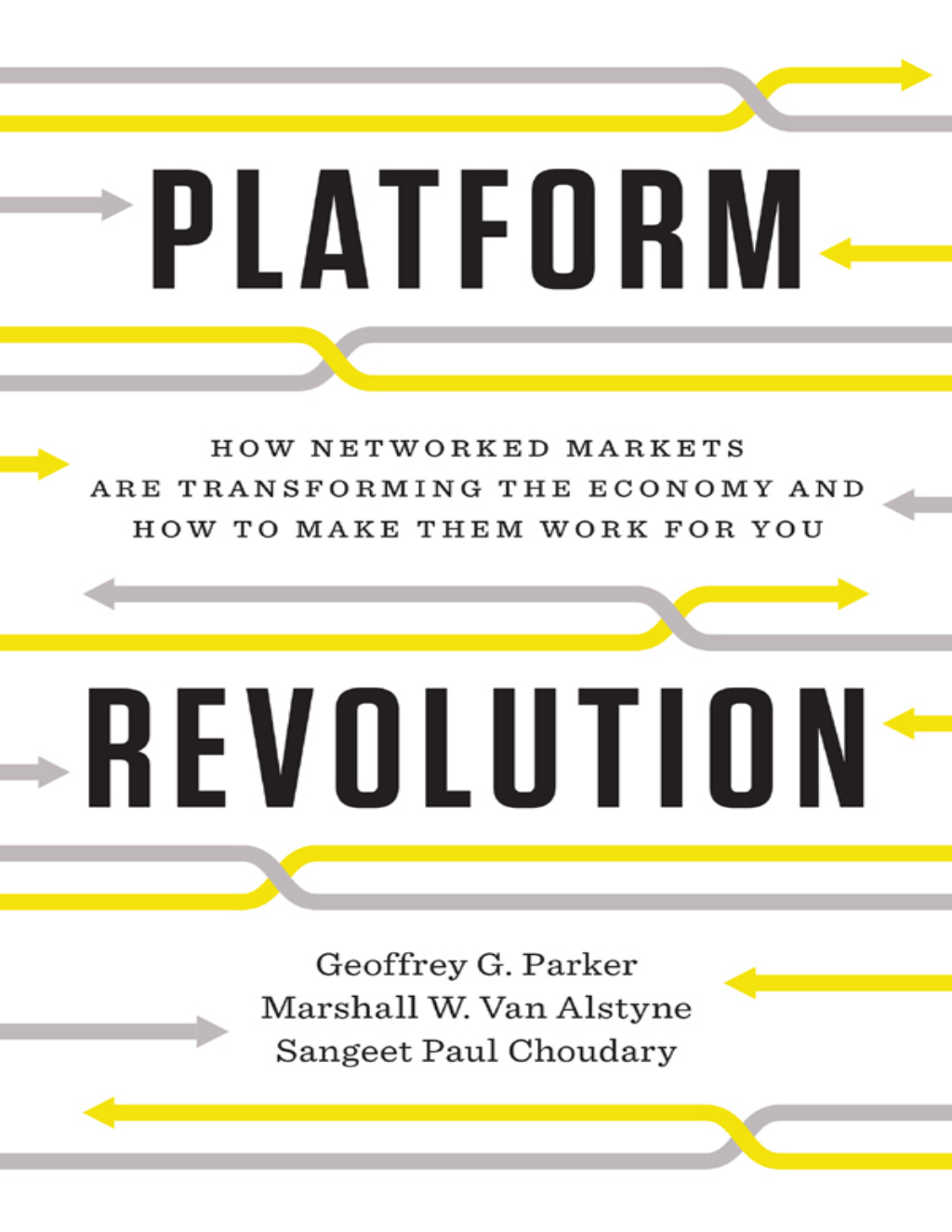
Platform Revolution by Geoffrey G. Parker, Marshall W. Van Alstyne, and Sangeet Paul Choudary
Noah Walker
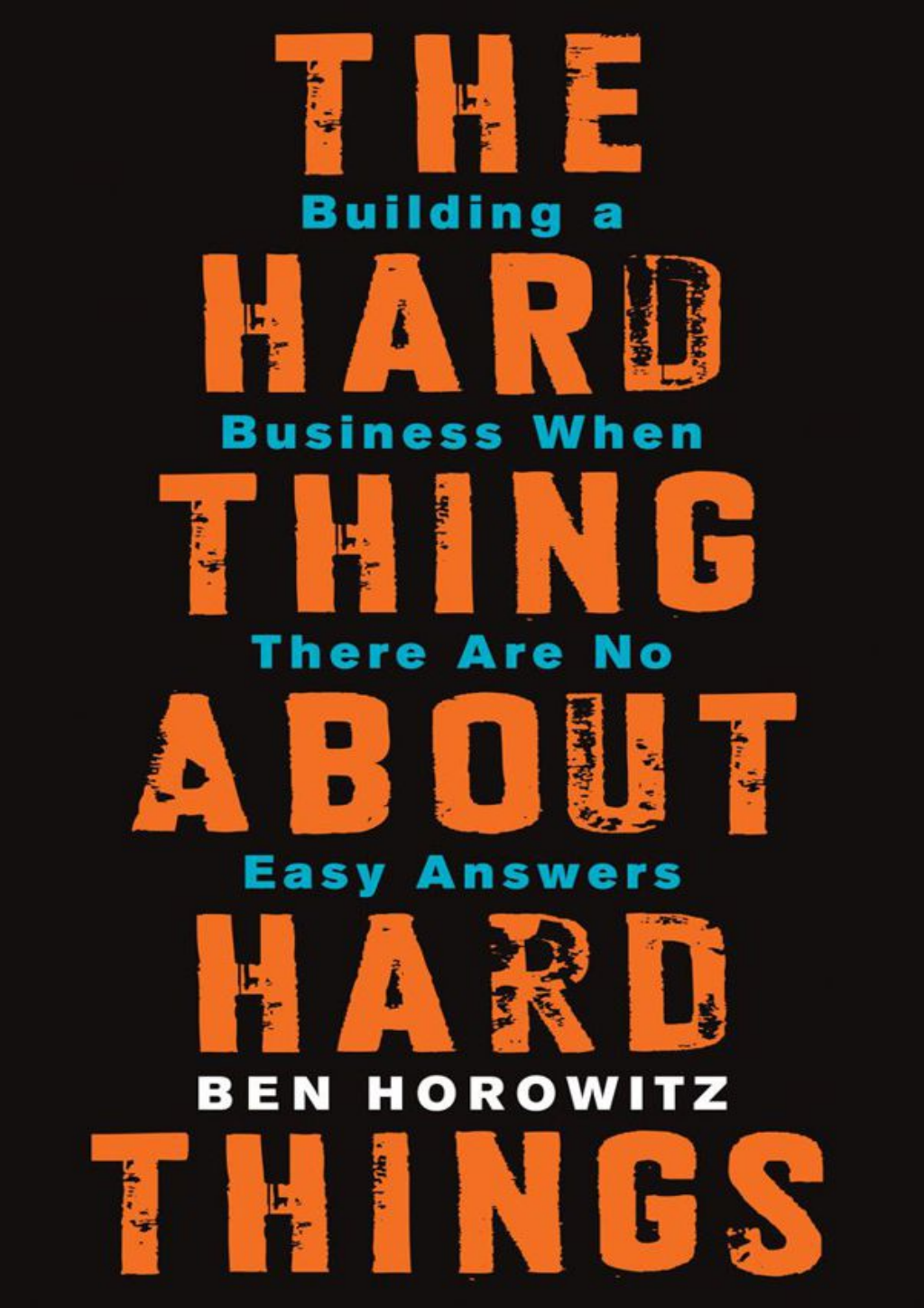
The Hard Thing About The Hard Things by Ben Horowitz
Noah Walker
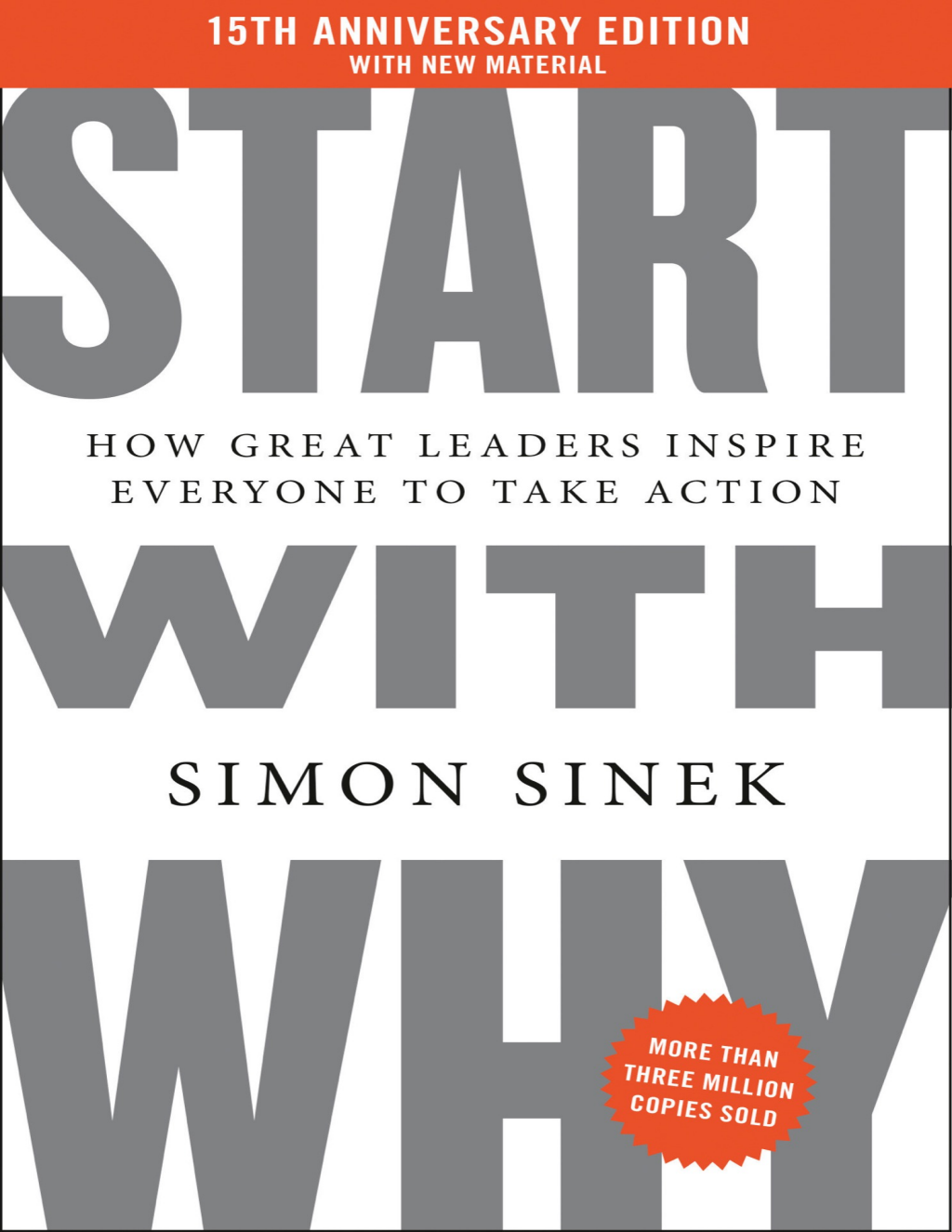
Start With Why by Simon Sinek
Noah Walker
Continue Exploring IslandHub
Discover more from across the platform