Books
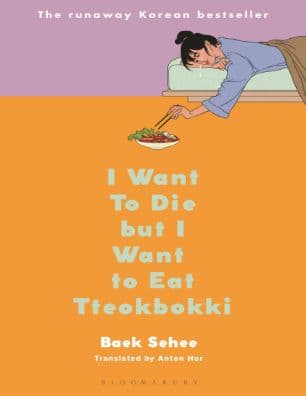
I Want To Die But Want To Eat Tteokbokki by Baek Sehee
FeaturedI Want to Die but I Want to Eat Tteokbokki is a deeply personal reflection on depression, anxiety, self-worth, and the complexities of emotional healing. Through honest conversations between Baek Sehee and her psychiatrist, the book offers a compassionate reminder that recovery is rarely linear—and that small moments of hope can coexist with profound emotional pain.
📖 Overview
How can someone want to disappear while still longing for life's smallest pleasures?
In I Want to Die but I Want to Eat Tteokbokki, South Korean author Baek Sehee shares her experience living with persistent depression, dysthymia, anxiety, and feelings of inadequacy. Rather than presenting a polished memoir or a conventional self-help guide, the book combines personal reflections with real conversations between the author and her psychiatrist, offering readers an intimate glimpse into the therapeutic process.
Across these conversations, Sehee explores the thoughts and emotional patterns that quietly shape everyday life—perfectionism, people-pleasing, self-criticism, loneliness, and the pressure to appear emotionally "normal." Instead of seeking dramatic breakthroughs, the book illustrates how healing often begins with understanding ourselves more honestly and treating our struggles with curiosity rather than judgment.
More than a memoir about mental illness, I Want to Die but I Want to Eat Tteokbokki reminds readers that emotional pain can coexist with hope, and that recovery is often built through countless small acts of self-awareness and compassion.
🎯 Why This Book Is Worth Reading
Mental health is often discussed through diagnoses and clinical terminology.
This book approaches it through lived experience.
Baek Sehee's openness allows readers to recognize emotions that are often difficult to describe, making the book deeply relatable even for those who have never experienced clinical depression. Rather than offering quick solutions or motivational slogans, it demonstrates the value of honest conversations, therapy, and gradual personal growth.
Its gentle, conversational style has resonated with readers around the world because it validates emotional struggles without reducing them to simple answers.
👥 Who Should Read This Book
- Readers interested in psychology
- Individuals exploring mental health and emotional well-being
- People experiencing anxiety, perfectionism, or self-doubt
- Friends and family seeking greater empathy for mental health challenges
- Counselors and psychology students
- Anyone interested in memoirs about personal growth
🧠 Key Concepts
- Mental Health
- Depression
- Anxiety
- Self-Compassion
- Therapy
- Emotional Awareness
- Perfectionism
- Self-Worth
- Vulnerability
- Healing
💡 In-Depth Discussion
1. Healing Begins with Honest Self-Reflection
Throughout the book, Baek Sehee gradually learns that understanding her emotions is more valuable than suppressing them.
Therapy becomes a space for asking difficult questions rather than immediately searching for solutions.
2. Emotional Pain Can Exist Alongside Ordinary Joy
The title itself captures one of the book's central ideas.
People experiencing depression or emotional distress may still enjoy food, friendships, hobbies, or moments of happiness. Human emotions are rarely absolute, and contradictory feelings can exist at the same time.
3. Perfectionism Often Masks Insecurity
Many of the author's struggles stem from believing she must constantly meet the expectations of others.
The book explores how perfectionism, comparison, and fear of disappointing people can gradually undermine emotional well-being.
4. Therapy Is a Process, Not a Quick Fix
The conversations throughout the book illustrate that meaningful healing rarely happens in a single breakthrough.
Progress emerges gradually through repeated reflection, honest dialogue, and a growing willingness to understand one's own patterns of thinking and behavior.
5. Self-Compassion Is a Skill
One of the book's most important lessons is learning to treat ourselves with the same kindness we naturally offer to others.
Recovery often begins when self-criticism is replaced by curiosity, patience, and understanding.
6. Vulnerability Creates Connection
By openly sharing her thoughts, fears, and insecurities, Baek Sehee reminds readers that emotional struggles are far more common than they often appear.
Honest conversations reduce isolation and encourage greater empathy for ourselves and those around us.
🛠 How to Apply the Ideas
Although everyone's mental health journey is unique, the book encourages several healthy practices:
- Reflect on your emotions without immediately judging them.
- Consider speaking with a qualified mental health professional if you're struggling.
- Practice self-compassion instead of harsh self-criticism.
- Recognize that emotional recovery takes time.
- Share your experiences with trusted people when you feel ready.
- Appreciate small moments of comfort and joy during difficult periods.
🌟 IslandHub Insight
One of the reasons this book resonates so deeply is that it rejects the idea that healing must be dramatic.
Baek Sehee reminds us that recovery often happens quietly—in conversations, moments of reflection, and gradual shifts in how we understand ourselves. There is no perfect timeline, no single breakthrough, and no expectation that progress will always move forward in a straight line.
In a culture that frequently celebrates constant productivity and emotional resilience, this book offers a different perspective: acknowledging vulnerability is not a sign of weakness but an important step toward self-understanding.
At IslandHub, we believe I Want to Die but I Want to Eat Tteokbokki is ultimately a book about compassion—both for ourselves and for others. It encourages readers to approach emotional struggles with patience, curiosity, and hope, while recognizing that seeking support can be a meaningful part of personal growth.
📚 Related Books
- Maybe You Should Talk to Someone — Lori Gottlieb
- Reasons to Stay Alive — Matt Haig
- The Comfort Book — Matt Haig
- The Gifts of Imperfection — Brené Brown
- Feeling Good — David D. Burns
❓ Questions to Reflect On
- How do you usually respond to your own emotional struggles—with judgment or with curiosity?
- What small habits or conversations help you feel more understood and supported?
- How can practicing greater self-compassion influence your relationships with others?
📖 References
- Baek, S. (2022). I Want to Die but I Want to Eat Tteokbokki. Bloomsbury Publishing (English edition).
- Baek, S. Original Korean edition.
- Public interviews with Baek Sehee discussing the writing process and her experience with therapy.
Continue Learning
Deepen your understanding with related content
Ekonomi Indonesia 2026: Mengapa Rupiah "Tumbang" Saat Pertumbuhan Tetap Solid?
Noah Walker
Rahasia Metabolisme: Mengapa Gaya Hidup Modern Diam-Diam Menghambat Tujuan Sehat Anda?
Noah Walker

Paradoks Listrik 2026: Antara Jebakan Inflasi 4,76% dan Ambisi Kedaulatan Energi di Selat Hormuz
Noah Walker

Subsidi BBM 2026: Beban Rp210T di APBN demi Harga BBM Stabil
Noah Walker
Apply What You Learned
Try these tools to put your knowledge into practice
Explore Similar
Readers also explored these resources

.jpg)
Continue Exploring IslandHub
Discover more from across the platform