Books
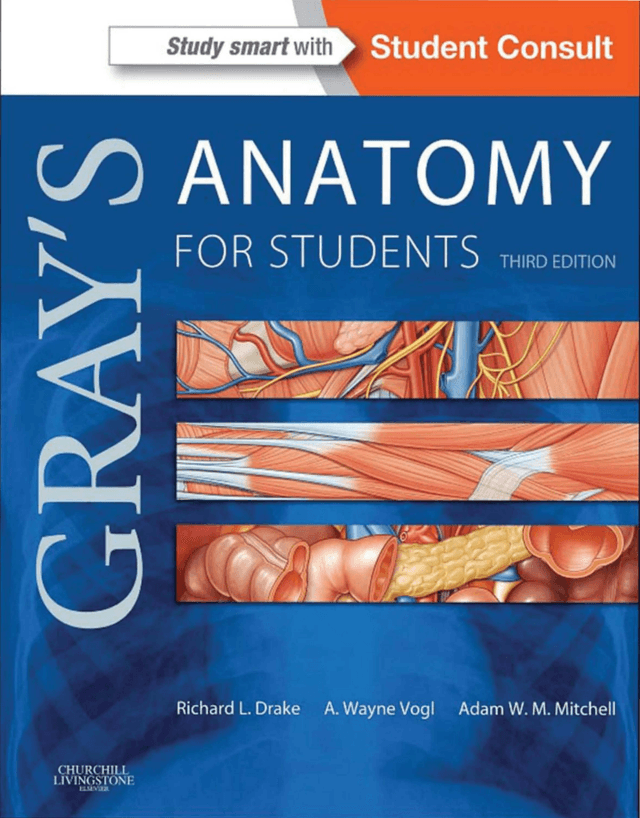
Gray's Anatomy For Students 3rd Ed
FeaturedGray's Anatomy for Students provides a comprehensive yet accessible introduction to human anatomy, combining detailed illustrations, clinical correlations, and case-based learning. Designed specifically for medical and healthcare students, the book helps readers build a strong anatomical foundation essential for clinical reasoning and patient care.
📖 Overview
Why do medical students around the world consider anatomy one of the most important—and challenging—subjects?
Gray's Anatomy for Students offers a structured and clinically oriented approach to learning human anatomy. Unlike encyclopedic anatomical references intended for specialists, this textbook was created specifically for students entering medicine and the health sciences. It combines detailed illustrations, concise explanations, and clinical case studies to help readers understand not only where anatomical structures are located, but also why they matter in patient care.
Organized by body regions, the book explores the musculoskeletal, nervous, cardiovascular, respiratory, gastrointestinal, urinary, reproductive, and endocrine systems while continuously connecting anatomical knowledge to real clinical situations. Modern imaging techniques, surface anatomy, and clinical applications further strengthen students' ability to translate textbook knowledge into practical medical reasoning.
More than an anatomy textbook, Gray's Anatomy for Students serves as a bridge between basic science and clinical medicine, providing the anatomical foundation required for diagnosing disease, interpreting medical imaging, and performing safe clinical procedures.
🎯 Why This Book Is Worth Reading
Anatomy forms the foundation of nearly every medical discipline.
Without a solid understanding of anatomical relationships, it becomes difficult to interpret imaging, perform physical examinations, understand pathology, or safely conduct surgical procedures.
Gray's Anatomy for Students stands out because it presents anatomy as a living, functional science rather than a collection of structures to memorize. Its emphasis on clinical relevance makes learning more meaningful and prepares students for real-world patient care.
👥 Who Should Read This Book
- Medical students
- Nursing students
- Dentistry students
- Physiotherapy students
- Physician assistant students
- Allied health professionals
- Anatomy educators
- Healthcare professionals reviewing anatomy
🧠 Key Concepts
- Regional Anatomy
- Clinical Anatomy
- Surface Anatomy
- Medical Imaging
- Anatomical Relationships
- Neuroanatomy
- Musculoskeletal System
- Organ Systems
- Clinical Correlation
- Anatomical Variation
💡 In-Depth Discussion
1. Anatomy Is the Foundation of Clinical Medicine
Every physical examination, diagnostic procedure, and surgical intervention depends on anatomical knowledge.
Understanding where structures are located and how they relate to one another enables clinicians to make accurate diagnoses and provide safe patient care.
2. Learning Anatomy Through Clinical Context
Rather than presenting anatomy as isolated facts, the textbook continuously connects structures to clinical scenarios.
These clinical correlations help students understand why anatomical knowledge matters in everyday medical practice.
3. Visual Learning Improves Understanding
One of the defining strengths of Gray's Anatomy for Students is its exceptional illustrations.
Detailed diagrams, cross-sectional images, radiographs, CT scans, and MRI examples help students develop three-dimensional anatomical thinking that supports both learning and clinical interpretation.
4. Regional Organization Mirrors Clinical Practice
The textbook is organized by anatomical regions rather than isolated systems.
This approach reflects how clinicians examine patients, interpret symptoms, and perform procedures in real healthcare settings.
5. Anatomy Explains Function
The book consistently demonstrates that anatomical structure determines physiological function.
Understanding muscles, nerves, blood vessels, and organs together provides a deeper appreciation of how the human body operates in both health and disease.
6. Strong Foundations Support Lifelong Learning
Medical education extends far beyond anatomy.
However, a thorough understanding of anatomical principles makes future learning in physiology, pathology, radiology, surgery, neurology, and many other disciplines significantly easier.
🛠 How to Apply the Ideas
Students can maximize the value of this textbook by:
- Studying anatomy alongside cadaveric dissection or virtual anatomy tools.
- Reviewing clinical cases while learning each anatomical region.
- Practicing identification using medical imaging such as CT and MRI.
- Creating diagrams and concept maps to reinforce spatial relationships.
- Revisiting anatomy regularly throughout clinical training.
- Connecting anatomical knowledge with physiology and pathology rather than memorizing structures in isolation.
🌟 IslandHub Insight
Many students approach anatomy as a memorization challenge.
Gray's Anatomy for Students encourages a different perspective: anatomy is a language that allows clinicians to understand the human body. Every symptom, injury, imaging study, and surgical procedure can be interpreted more accurately when this language is well understood.
The book's greatest strength lies in integrating foundational science with clinical reasoning. Rather than overwhelming readers with exhaustive detail, it emphasizes the anatomical knowledge most relevant to future healthcare professionals, making learning both more efficient and more meaningful.
At IslandHub, we believe Gray's Anatomy for Students is more than a textbook—it is an essential reference that supports every stage of medical education. A strong anatomical foundation empowers students to think critically, communicate effectively, and provide safer, more informed patient care throughout their careers.
📚 Related Books
- Clinically Oriented Anatomy — Keith L. Moore, Arthur F. Dalley II, Anne M. R. Agur
- Netter's Atlas of Human Anatomy — Frank H. Netter
- Ganong's Review of Medical Physiology — Kim E. Barrett et al.
- Anatomy & Physiology: The Unity of Form and Function — Kenneth S. Saladin
- Principles of Anatomy and Physiology — Gerard J. Tortora & Bryan H. Derrickson
❓ Questions to Reflect On
- How does understanding anatomical relationships improve clinical decision-making?
- Why is anatomy best learned alongside physiology and clinical medicine rather than in isolation?
- Which study strategies help you move beyond memorization toward genuine anatomical understanding?
📖 References
- Drake, R. L., Vogl, W., & Mitchell, A. W. M. Gray's Anatomy for Students (3rd Edition). Elsevier.
- Gray, H. Gray's Anatomy: The Anatomical Basis of Clinical Practice.
- International Federation of Associations of Anatomists (IFAA) terminology and contemporary anatomical education resources.
Continue Learning
Deepen your understanding with related content

Ekonomi Indonesia 2026: Mengapa Rupiah "Tumbang" Saat Pertumbuhan Tetap Solid?
Noah Walker

Rahasia Metabolisme: Mengapa Gaya Hidup Modern Diam-Diam Menghambat Tujuan Sehat Anda?
Noah Walker

Paradoks Listrik 2026: Antara Jebakan Inflasi 4,76% dan Ambisi Kedaulatan Energi di Selat Hormuz
Noah Walker

Subsidi BBM 2026: Beban Rp210T di APBN demi Harga BBM Stabil
Noah Walker
Apply What You Learned
Try these tools to put your knowledge into practice
Explore Similar
Readers also explored these resources
Principles Of Anatomy And Physiology by Gerard J. Tortora
Noah Walker
Kenneth Saladin by Anatomy & Physiology The Unity of Form and Function-McGraw-Hill Education
Noah Walker
Ganong's Review Of Medical Physiology, Twenty Sixth by Kim E. Barrett; Susan M. Barman; Scott Boitano; Heddwen L. Brooks
Noah Walker
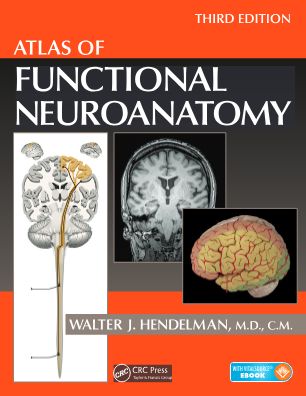
Atlas Of Functional Neuroanatomy by Walter Hendelman M.D.
Noah Walker

Farmakologi Dasar & Klinik by Bertram G. Katzung et al.
Noah Walker
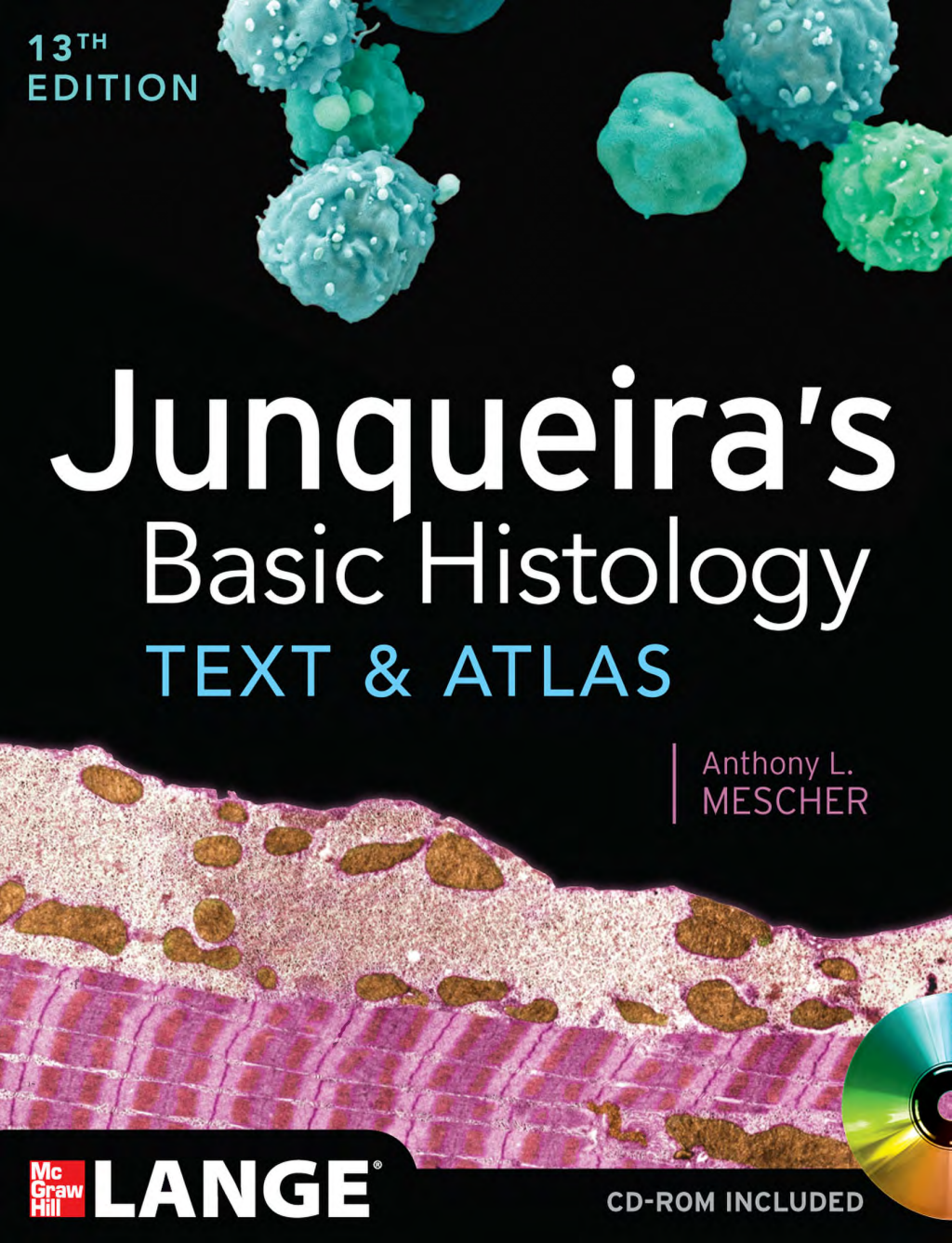
Junqueira's - Basic Histology Text and Atlas - 14Indo
Noah Walker
Continue Exploring IslandHub
Discover more from across the platform