Books
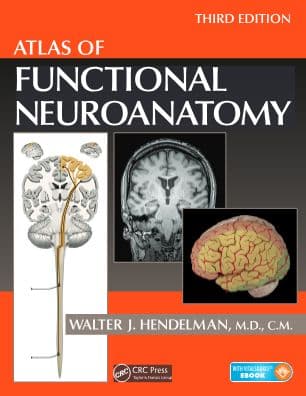
Atlas Of Functional Neuroanatomy by Walter Hendelman M.D.
FeaturedAtlas of Functional Neuroanatomy provides a visually rich and clinically oriented introduction to the structure and function of the human nervous system. Through detailed illustrations, anatomical pathways, and clinical correlations, Walter Hendelman helps readers understand how the brain and spinal cord work together in health and disease.
📖 Overview
How does the human brain transform billions of electrical signals into movement, thought, memory, and consciousness?
Atlas of Functional Neuroanatomy by Walter Hendelman offers a comprehensive introduction to the organization and function of the central nervous system. Rather than treating neuroanatomy as a collection of isolated structures, the book emphasizes the relationships between anatomical pathways and their physiological roles, helping readers understand how different regions of the brain communicate to produce normal neurological function.
Combining high-quality illustrations, neuroimaging, anatomical diagrams, and clinical case correlations, the atlas guides readers through the cerebral cortex, brainstem, cerebellum, spinal cord, cranial nerves, sensory pathways, motor systems, and autonomic nervous system. Clinical examples demonstrate how damage to specific structures produces recognizable neurological signs and symptoms, making anatomy directly relevant to patient care.
More than an anatomical atlas, Atlas of Functional Neuroanatomy serves as a bridge between neuroscience, neurology, and clinical medicine, allowing students to understand not only where structures are located but also why they matter in diagnosis and neurological practice.
🎯 Why This Book Is Worth Reading
Neuroanatomy is often considered one of the most difficult subjects in medical education.
This atlas makes it significantly more approachable by integrating anatomical structures with their functional roles and clinical significance. Instead of memorizing disconnected brain regions, readers learn how neural pathways operate as interconnected systems.
Its clear organization, outstanding illustrations, and emphasis on functional understanding make it an invaluable resource for anyone studying neuroscience or clinical neurology.
👥 Who Should Read This Book
- Medical students
- Neurology residents
- Neuroscience students
- Physical therapy students
- Occupational therapy students
- Medical educators
- Healthcare professionals reviewing neuroanatomy
- Anyone interested in brain science
🧠 Key Concepts
- Neuroanatomy
- Central Nervous System
- Brain Organization
- Neural Pathways
- Cranial Nerves
- Motor Systems
- Sensory Systems
- Brainstem
- Cerebellum
- Clinical Neurology
💡 In-Depth Discussion
1. Structure and Function Are Inseparable
The book emphasizes that understanding anatomy requires understanding function.
Every nucleus, tract, and cortical region exists within larger neural networks responsible for sensation, movement, cognition, emotion, and autonomic regulation.
2. Neural Pathways Explain Clinical Symptoms
Rather than memorizing isolated structures, readers learn to follow neural pathways from their origins to their destinations.
This approach helps explain why injuries at different anatomical locations produce distinct neurological deficits.
3. Clinical Correlations Reinforce Learning
Each anatomical concept is linked to real neurological disorders.
Stroke syndromes, cranial nerve lesions, spinal cord injuries, movement disorders, and sensory deficits illustrate how neuroanatomical knowledge supports diagnosis and patient care.
4. Visual Learning Simplifies Complexity
One of the atlas's greatest strengths is its extensive collection of illustrations.
Color-coded diagrams, cross-sectional anatomy, MRI images, and pathway maps help students develop three-dimensional understanding of the nervous system.
5. Neuroanatomy Connects Multiple Medical Disciplines
Knowledge gained from this atlas extends far beyond neurology.
It supports learning in neurosurgery, psychiatry, neuroradiology, rehabilitation medicine, neurophysiology, and emergency medicine.
6. Clinical Reasoning Begins with Anatomical Localization
A fundamental principle of neurology is localization.
By identifying which neural structures are responsible for specific symptoms, clinicians can determine where neurological damage has occurred before additional testing is performed.
🛠 How to Apply the Ideas
Students can maximize learning by:
- Studying neural pathways rather than isolated structures.
- Reviewing neuroimaging alongside anatomical diagrams.
- Connecting anatomy with physiology and clinical neurology.
- Practicing neurological localization using patient cases.
- Drawing pathway diagrams to reinforce spatial understanding.
- Revisiting neuroanatomy throughout clinical training rather than treating it as a single course.
🌟 IslandHub Insight
Many students find neuroanatomy intimidating because of its complexity. Atlas of Functional Neuroanatomy demonstrates that the nervous system becomes much easier to understand when viewed as an integrated network rather than a list of anatomical names.
Perhaps the book's greatest contribution is its emphasis on clinical reasoning. It teaches readers to ask not only "Where is this structure?" but also "What happens if this pathway is damaged?" This perspective transforms anatomy from memorization into problem-solving—a skill that is essential in neurological diagnosis.
At IslandHub, we believe this atlas is one of the strongest resources for developing a functional understanding of the nervous system. Its combination of anatomy, physiology, and clinical application equips learners with a foundation that remains valuable throughout medical education and clinical practice.
📚 Related Books
- Clinical Neuroanatomy — Stephen G. Waxman
- Neuroanatomy Through Clinical Cases — Hal Blumenfeld
- Gray's Anatomy for Students — Richard L. Drake, Wayne Vogl, & Adam W. M. Mitchell
- Ganong's Review of Medical Physiology — Kim E. Barrett et al.
- Principles of Neural Science — Eric R. Kandel et al.
❓ Questions to Reflect On
- How does understanding neural pathways improve clinical diagnosis?
- Why is neuroanatomy easier to understand when linked to function rather than memorized as isolated structures?
- Which visualization techniques help you better understand the organization of the nervous system?
📖 References
- Hendelman, W. J. (2015). Atlas of Functional Neuroanatomy (3rd Edition). CRC Press.
- Blumenfeld, H. Neuroanatomy Through Clinical Cases.
- Waxman, S. G. Clinical Neuroanatomy.
- International Neuroanatomical Terminology resources.
Continue Learning
Deepen your understanding with related content

Ekonomi Indonesia 2026: Mengapa Rupiah "Tumbang" Saat Pertumbuhan Tetap Solid?
Noah Walker

Rahasia Metabolisme: Mengapa Gaya Hidup Modern Diam-Diam Menghambat Tujuan Sehat Anda?
Noah Walker

Paradoks Listrik 2026: Antara Jebakan Inflasi 4,76% dan Ambisi Kedaulatan Energi di Selat Hormuz
Noah Walker

Subsidi BBM 2026: Beban Rp210T di APBN demi Harga BBM Stabil
Noah Walker
Apply What You Learned
Try these tools to put your knowledge into practice
Explore Similar
Readers also explored these resources
Gray's Anatomy For Students 3rd Ed
Noah Walker
Ganong's Review Of Medical Physiology, Twenty Sixth by Kim E. Barrett; Susan M. Barman; Scott Boitano; Heddwen L. Brooks
Noah Walker

Farmakologi Dasar & Klinik by Bertram G. Katzung et al.
Noah Walker
A Brief History of Intelligence by Max S. Bennett
Noah Walker
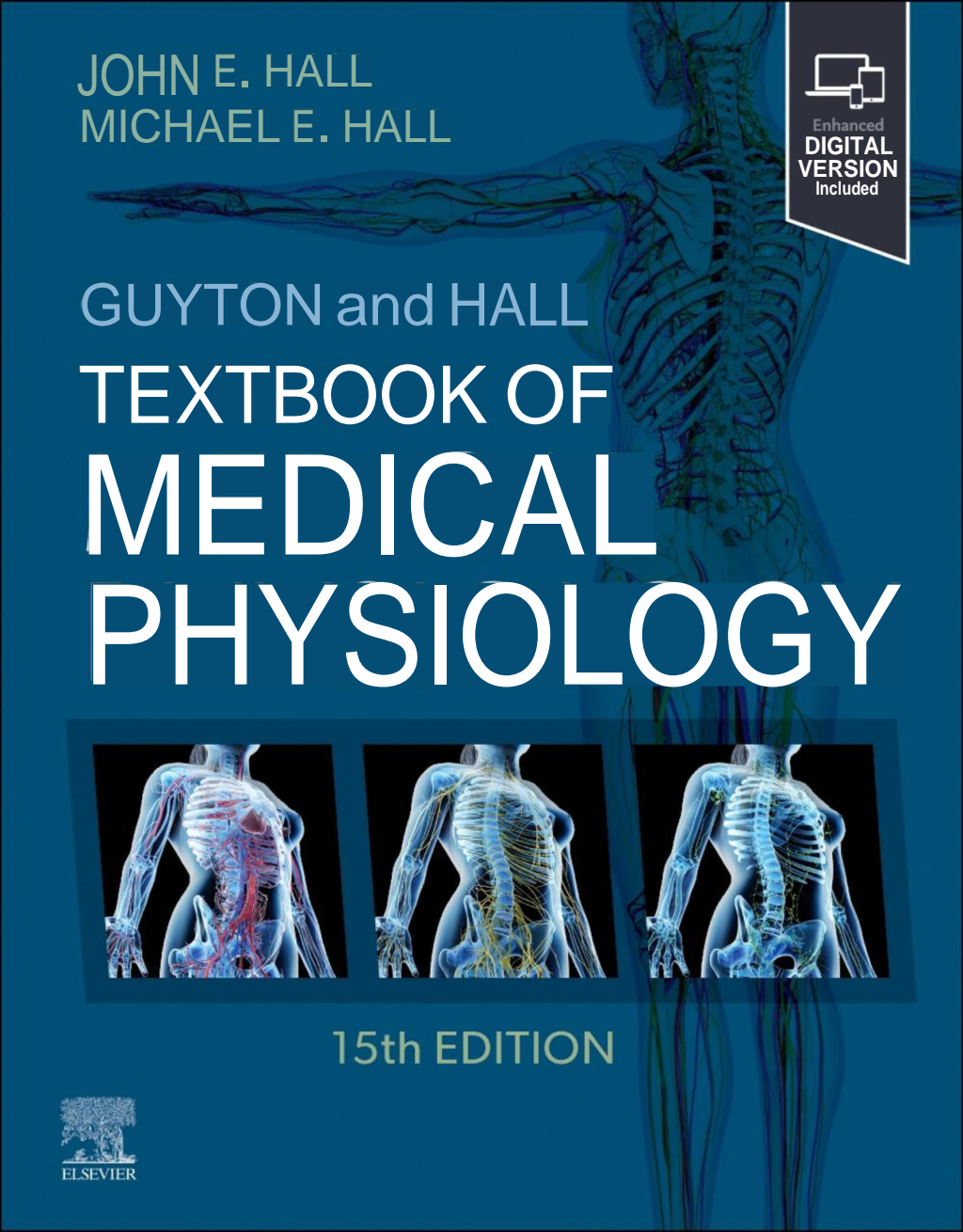
Guyton & Hall. Textbook of Medical Physiology. 15th ed. Elsevier. 2021.
Noah Walker

The Marshmallow Test by Walter Mischel
Noah Walker
Continue Exploring IslandHub
Discover more from across the platform