Books
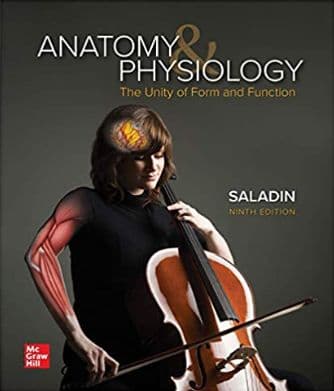
Kenneth Saladin by Anatomy & Physiology The Unity of Form and Function-McGraw-Hill Education
FeaturedAnatomy & Physiology: The Unity of Form and Function by Kenneth S. Saladin provides a comprehensive introduction to the human body by connecting anatomical structures with their physiological functions. Combining scientific accuracy with clinical relevance, it helps readers understand not only how the body is built, but why it works the way it does.
📖 Overview
Why does the human body function the way it does?
The answer begins with understanding that every biological structure exists for a reason. In Anatomy & Physiology: The Unity of Form and Function, Kenneth S. Saladin presents one of the most respected introductions to human anatomy and physiology, emphasizing a simple yet powerful principle: form determines function.
Rather than treating anatomy and physiology as separate disciplines, Saladin integrates them throughout the text. Every chapter explains how cells, tissues, organs, and organ systems work together to maintain life, while continually connecting structural design with physiological purpose. Clinical examples, medical applications, and real-world scenarios reinforce these concepts, allowing readers to appreciate how normal body function relates directly to health and disease.
Designed for students beginning their journey in the health sciences, the book provides a strong conceptual foundation that supports future learning in medicine, nursing, dentistry, pharmacy, physiotherapy, and other biomedical fields.
🎯 Why This Book Is Worth Reading
Many anatomy textbooks focus on memorizing names and locations.
Saladin goes a step further by helping readers understand why those structures exist and how they contribute to the body's function.
This integrated approach transforms anatomy from a subject of memorization into one of understanding. By consistently linking structure with function, the book enables students to reason through physiological processes and clinical problems rather than relying solely on rote learning.
Its clear illustrations, logical organization, and emphasis on conceptual thinking have made it one of the leading textbooks in anatomy and physiology education worldwide.
👥 Who Should Read This Book
- Medical students
- Nursing students
- Dentistry students
- Pharmacy students
- Physiotherapy students
- Biomedical science students
- Allied health professionals
- Anyone seeking a comprehensive understanding of the human body
🧠 Key Concepts
- Anatomy
- Physiology
- Homeostasis
- Human Body Systems
- Cell Biology
- Organ Integration
- Structure–Function Relationship
- Clinical Applications
- Human Adaptation
- Scientific Reasoning
💡 In-Depth Discussion
1. Form and Function Are Inseparable
The central idea of the book is that anatomy and physiology cannot be fully understood in isolation.
Every biological structure—from microscopic cells to entire organ systems—possesses characteristics that directly support its function. Understanding this relationship allows students to predict how the body works instead of simply memorizing facts.
2. Homeostasis Is the Foundation of Life
Throughout the book, Saladin emphasizes that maintaining a stable internal environment is essential for survival.
Body systems continuously cooperate to regulate temperature, blood pressure, fluid balance, oxygen delivery, and countless other variables. Disease often begins when these homeostatic mechanisms become disrupted.
3. The Human Body Functions as an Integrated System
Rather than studying organs independently, the book demonstrates how every system depends upon the others.
The cardiovascular, respiratory, nervous, endocrine, digestive, urinary, and musculoskeletal systems constantly exchange information and resources to sustain life. Appreciating these interactions provides a more complete understanding of human physiology.
4. Clinical Context Deepens Understanding
Medical relevance appears throughout the text.
Instead of presenting anatomy as isolated information, Saladin introduces clinical conditions that illustrate why anatomical knowledge matters in healthcare. These examples bridge the gap between basic science and clinical practice.
5. Learning Requires Understanding, Not Memorization
One of the book's greatest strengths is its educational philosophy.
Students are encouraged to recognize patterns, understand mechanisms, and explain physiological processes using logical reasoning. This approach promotes long-term retention and prepares readers for advanced study.
6. Scientific Knowledge Continues to Evolve
The book reflects modern developments in anatomy, physiology, and biomedical research.
Readers are reminded that medicine is a continually evolving discipline, requiring healthcare professionals to remain curious, evidence-based, and committed to lifelong learning.
🛠 How to Apply the Ideas
Whether you're preparing for examinations or clinical practice, the book's principles can be applied effectively by:
- Studying anatomy and physiology together rather than separately.
- Asking how each structure contributes to its function.
- Connecting normal physiology with common diseases.
- Using diagrams to visualize relationships between organ systems.
- Explaining concepts in your own words instead of memorizing definitions.
- Revisiting foundational concepts regularly to strengthen long-term understanding.
🌟 IslandHub Insight
One of the biggest misconceptions in medical education is that anatomy is simply a subject of memorization.
Saladin demonstrates the opposite.
The true purpose of studying anatomy is to understand design. Every muscle, blood vessel, neuron, and organ reflects a solution to a biological challenge shaped by millions of years of evolution. Once students recognize this relationship, physiology becomes easier to understand, pathology becomes more logical, and clinical reasoning becomes far more intuitive.
At IslandHub, we believe this perspective extends beyond medicine. Understanding why something exists is always more valuable than merely knowing what it is. Whether studying the human body, building technology, or solving complex problems, meaningful learning begins when structure is connected to purpose.
📚 Related Books
- Ganong's Review of Medical Physiology — Kim E. Barrett, Susan M. Barman, Scott Boitano, & Heddwen L. Brooks
- Guyton and Hall Textbook of Medical Physiology — John E. Hall
- Clinically Oriented Anatomy — Keith L. Moore, Arthur F. Dalley II, & Anne M. R. Agur
- Gray's Anatomy for Students — Richard L. Drake, A. Wayne Vogl, & Adam W. M. Mitchell
- Netter's Atlas of Human Anatomy — Frank H. Netter
❓ Questions to Reflect On
- How does understanding the relationship between structure and function improve clinical reasoning?
- Why is homeostasis considered the foundation of human physiology?
- How can studying anatomy conceptually rather than through memorization improve long-term learning?
📖 References
- Saladin, K. S. Anatomy & Physiology: The Unity of Form and Function. McGraw-Hill Education.
- Hall, J. E. Guyton and Hall Textbook of Medical Physiology. Elsevier.
- Barrett, K. E., Barman, S. M., Boitano, S., & Brooks, H. L. Ganong's Review of Medical Physiology. McGraw-Hill Education.
- Moore, K. L., Dalley II, A. F., & Agur, A. M. R. Clinically Oriented Anatomy. Wolters Kluwer.
Continue Learning
Deepen your understanding with related content

Ekonomi Indonesia 2026: Mengapa Rupiah "Tumbang" Saat Pertumbuhan Tetap Solid?
Noah Walker

Rahasia Metabolisme: Mengapa Gaya Hidup Modern Diam-Diam Menghambat Tujuan Sehat Anda?
Noah Walker

Paradoks Listrik 2026: Antara Jebakan Inflasi 4,76% dan Ambisi Kedaulatan Energi di Selat Hormuz
Noah Walker

Subsidi BBM 2026: Beban Rp210T di APBN demi Harga BBM Stabil
Noah Walker
Apply What You Learned
Try these tools to put your knowledge into practice
Explore Similar
Readers also explored these resources
Principles Of Anatomy And Physiology by Gerard J. Tortora
Noah Walker
Gray's Anatomy For Students 3rd Ed
Noah Walker
Sherwood's - Introduction to Human Physiology
Noah Walker
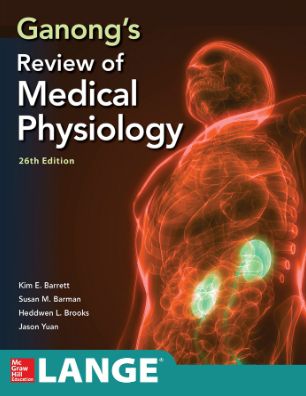
Ganong's Review Of Medical Physiology, Twenty Sixth by Kim E. Barrett; Susan M. Barman; Scott Boitano; Heddwen L. Brooks
Noah Walker
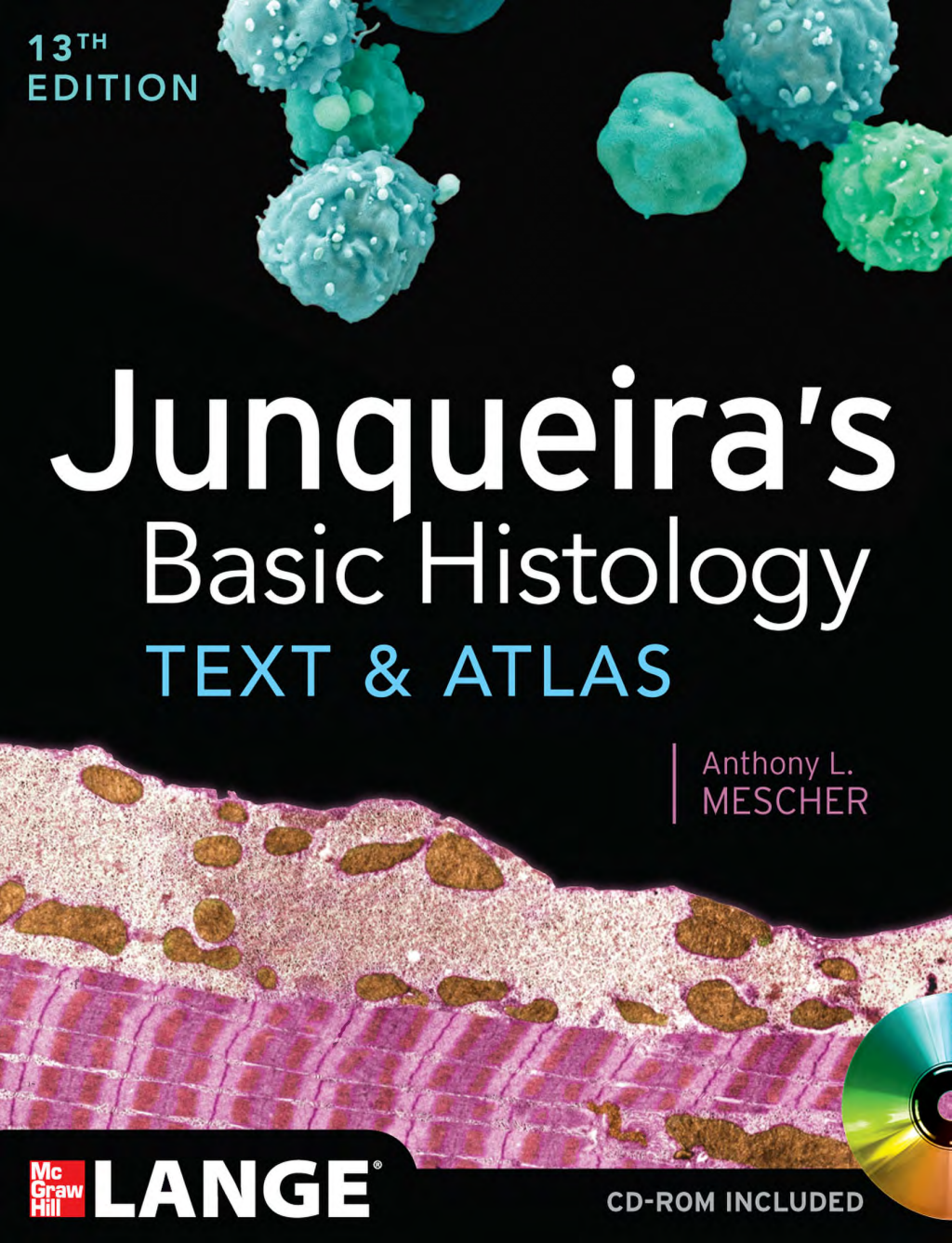
Junqueira's - Basic Histology Text and Atlas - 14Indo
Noah Walker

The New Strategic Selling by Robert B. Miller
Noah Walker
Continue Exploring IslandHub
Discover more from across the platform