Books
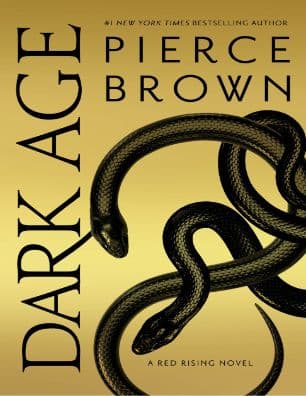
Dark Age by Pierce Brown
FeaturedIn Dark Age, the fragile republic forged through revolution teeters on the edge of collapse as war, political division, and personal sacrifice reshape the future of the Solar System. Pierce Brown delivers a powerful exploration of leadership, resilience, morality, and the human cost of pursuing freedom.
📖 Overview
Can hope survive when everything seems lost?
Dark Age continues the Red Rising Saga at its most ambitious and emotionally intense. The young Republic, once built on dreams of freedom and equality, now faces relentless war, internal division, and the return of old enemies. Victory has become uncertain, alliances continue to fracture, and every leader must confront impossible choices in a world where survival often comes at the expense of morality.
Told through multiple perspectives, the novel presents a sweeping portrait of a civilization descending into chaos. Soldiers, politicians, revolutionaries, and ordinary citizens all experience the conflict differently, revealing that history is never shaped by a single hero but by countless individuals struggling to preserve what they believe is right.
Rather than celebrating war, Dark Age examines its consequences. Pierce Brown explores how fear, trauma, power, and hope influence human decisions, asking a timeless question: How far can someone go to protect the future without losing the values that made that future worth fighting for?
🎯 Why This Book Is Worth Reading
Many stories portray war as a battle between heroes and villains.
Dark Age rejects that simplicity.
Instead, Pierce Brown explores the uncertainty, sacrifice, and moral ambiguity that accompany prolonged conflict. Every victory comes with devastating consequences, while every defeat forces characters to reconsider what justice, loyalty, and leadership truly mean.
The novel combines breathtaking action with philosophical depth, creating a story that challenges readers to think beyond good versus evil and consider the difficult realities of rebuilding—and defending—a fragile society.
👥 Who Should Read This Book
- Fans of the Red Rising saga
- Readers who enjoy epic science fiction
- Fans of political and military fiction
- Readers interested in leadership under crisis
- Students of history, conflict, and governance
- Writers studying multi-perspective storytelling
- Anyone who enjoys morally complex narratives
🧠 Key Concepts
- Leadership Under Crisis
- War and Morality
- Political Instability
- Sacrifice
- Human Resilience
- Hope and Despair
- Justice
- Loyalty
- Power
- Survival
💡 In-Depth Discussion
1. Freedom Must Be Defended Again and Again
Winning a revolution does not guarantee lasting peace.
The Republic now faces challenges that cannot be solved through military victory alone. Institutions weaken, political trust erodes, and external threats exploit internal divisions. The novel suggests that freedom is never permanent—it requires continuous effort to preserve.
2. Leadership Means Carrying Impossible Burdens
Every major leader in Dark Age is forced to make decisions with no perfect outcome.
The novel rejects the idea that leadership is about always making the right choice. Instead, it portrays leadership as accepting responsibility for difficult decisions while knowing that every option carries painful consequences.
3. War Changes Everyone
No one emerges from conflict unchanged.
Through multiple perspectives, Pierce Brown demonstrates how prolonged violence transforms soldiers, civilians, families, and political leaders alike. The emotional and psychological consequences of war become just as significant as the battles themselves.
4. Hope Is Strongest During Humanity's Darkest Moments
Despite its title, Dark Age is ultimately not a story about despair.
It is a story about the persistence of hope when circumstances provide almost none. Characters continue moving forward not because success is guaranteed, but because abandoning hope would mean surrendering their humanity.
5. Power Without Principles Leads to Destruction
Throughout the novel, competing factions pursue victory using increasingly extreme methods.
Brown asks readers whether noble goals can justify immoral actions and whether societies can survive if they abandon the principles that originally united them.
The novel offers no easy answers, only difficult questions.
6. The Greatest Battles Are Often Internal
Beyond the large-scale conflicts, Dark Age focuses on the internal struggles of its characters.
Fear, grief, guilt, loyalty, and responsibility shape decisions just as much as military strategy. The novel reminds readers that the most significant conflicts often occur within individuals long before they appear on the battlefield.
🛠 How to Apply the Ideas
Although Dark Age is a work of speculative fiction, many of its lessons resonate in everyday life:
- Stay committed to your values during difficult times.
- Accept that leadership often involves uncertainty.
- Recognize that resilience grows through adversity.
- Build trust before crises occur.
- Balance conviction with empathy when making difficult decisions.
- Remember that meaningful progress requires perseverance, not perfection.
🌟 IslandHub Insight
The title Dark Age suggests a story consumed by hopelessness. In reality, the novel argues the opposite.
Pierce Brown reminds us that hope matters most when circumstances appear impossible. Anyone can remain optimistic during times of success. The true test of character comes when every reason to believe has disappeared.
This idea extends beyond fiction. Businesses experience crises, societies face instability, and individuals encounter moments that challenge everything they believe. Progress is rarely measured by how we perform when conditions are favorable—it is measured by how we respond when they are not.
At IslandHub, we believe Dark Age is ultimately a novel about resilience. It shows that courage is not the absence of fear, but the willingness to keep moving forward despite it. The darkest chapters of history often reveal humanity's greatest capacity for perseverance, compassion, and renewal.
📚 Related Books
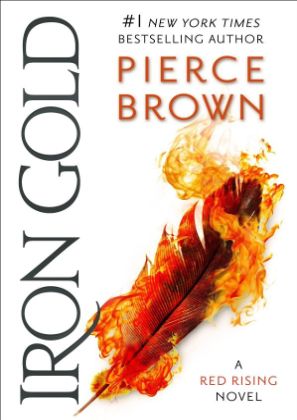
- Iron Gold — Pierce Brown
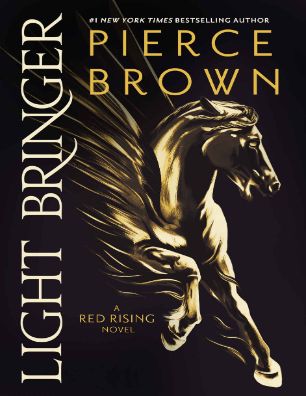
- Light Bringer — Pierce Brown
- Morning Star — Pierce Brown
- Dune — Frank Herbert
- The Heroes — Joe Abercrombie
❓ Questions to Reflect On
- Can a society protect its ideals without compromising them during times of crisis?
- What responsibilities come with leadership when every available choice has serious consequences?
- Is hope a feeling, or is it a decision we continue making even in the darkest moments?
📖 References
- Brown, P. (2019). Dark Age. Del Rey.
- Brown, P. The Red Rising Saga.
- Interviews and public discussions with Pierce Brown on leadership, war, and the philosophical themes of the Red Rising series.
Continue Learning
Deepen your understanding with related content

Ekonomi Indonesia 2026: Mengapa Rupiah "Tumbang" Saat Pertumbuhan Tetap Solid?
Noah Walker

Rahasia Metabolisme: Mengapa Gaya Hidup Modern Diam-Diam Menghambat Tujuan Sehat Anda?
Noah Walker

Paradoks Listrik 2026: Antara Jebakan Inflasi 4,76% dan Ambisi Kedaulatan Energi di Selat Hormuz
Noah Walker

Subsidi BBM 2026: Beban Rp210T di APBN demi Harga BBM Stabil
Noah Walker
Apply What You Learned
Try these tools to put your knowledge into practice
Explore Similar
Readers also explored these resources
Continue Exploring IslandHub
Discover more from across the platform