Books
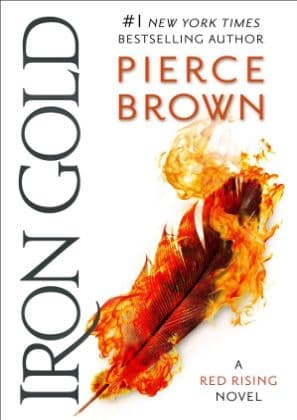
Iron Gold by Pierce Brown
FeaturedSet ten years after the original Red Rising trilogy, Iron Gold explores the difficult realities of rebuilding a society after revolution. Through multiple perspectives, Pierce Brown examines power, leadership, loyalty, and the challenges of creating lasting peace in a fractured Solar System.
📖 Overview
What happens after the revolution succeeds?
Iron Gold begins a new chapter in Pierce Brown's acclaimed Red Rising Saga, shifting the focus from overthrowing an empire to confronting the far more difficult task of building a better one. A decade after the fall of the Society, the Solar Republic struggles with political division, economic instability, and the lingering wounds of war. Victory has brought freedom—but not peace.
Rather than following a single protagonist, the novel introduces multiple perspectives, each representing different corners of a society still searching for its identity. Former heroes face impossible compromises, new generations question the ideals they inherited, and old enemies refuse to disappear. Through these intersecting stories, Pierce Brown paints a richer and more morally complex portrait of a civilization attempting to redefine itself.
More than a continuation of an epic science fiction saga, Iron Gold explores the difficult transition from revolution to governance. It asks a timeless question: Is changing a system easier than creating one that truly deserves to replace it?
🎯 Why This Book Is Worth Reading
Many stories end when the revolution is won.
Iron Gold begins there.
Rather than celebrating victory, Pierce Brown explores the consequences of success. The novel examines how societies rebuild after conflict, how political ideals evolve under pressure, and how leaders balance principle with practicality. Its layered narrative offers a thoughtful exploration of governance, responsibility, and the long-term cost of change.
Readers looking for science fiction that combines political complexity, emotional depth, and philosophical questions will find Iron Gold both ambitious and rewarding.
👥 Who Should Read This Book
- Fans of the Red Rising saga
- Readers who enjoy political science fiction
- Fans of large-scale space operas
- Readers interested in leadership and governance
- Students of political systems and social change
- Writers exploring multi-perspective storytelling
- Anyone who enjoys morally complex characters
🧠 Key Concepts
- Leadership After Revolution
- Political Stability
- Governance
- Loyalty and Identity
- Generational Conflict
- Power and Responsibility
- Justice and Compromise
- Social Reconstruction
- Moral Ambiguity
- Long-Term Change
💡 In-Depth Discussion
1. Winning a Revolution Is Only the Beginning
The novel challenges a common assumption found in many stories—that defeating an oppressive regime automatically creates a better society.
Instead, Iron Gold demonstrates that rebuilding institutions, restoring trust, and governing fairly are often far more difficult than overthrowing the old order.
2. Leadership Means Living With Imperfect Choices
Darrow is no longer simply a revolutionary.
He has become a leader responsible for protecting the fragile Republic while facing threats from both old enemies and political divisions within his own government.
The novel illustrates that leadership often requires choosing between competing values rather than choosing between right and wrong.
3. Every Generation Sees the World Differently
One of the book's greatest strengths is its multiple viewpoints.
Characters who grew up during the revolution see the world differently from those born after it. Their contrasting experiences reveal how history shapes beliefs, expectations, and definitions of justice.
Progress, the novel suggests, is never experienced equally by everyone.
4. Power Never Truly Disappears
Although the old Society has fallen, struggles for influence continue under new institutions.
The novel reminds readers that political systems may change, but human ambition, fear, and competing interests remain constant. Lasting peace requires more than replacing rulers—it requires building resilient institutions.
5. Freedom Brings New Responsibilities
Liberation creates opportunity, but it also introduces uncertainty.
Citizens who once united against a common enemy must now decide how to govern themselves despite conflicting priorities. Iron Gold explores the tension between individual freedom and collective responsibility in a rapidly changing society.
6. The Future Depends on Shared Purpose
Throughout the novel, Pierce Brown emphasizes that societies endure not because they eliminate disagreement, but because they maintain a shared commitment to something larger than themselves.
Hope is sustained not through victory alone, but through a collective willingness to continue building.
🛠 How to Apply the Ideas
Although Iron Gold is a work of speculative fiction, its lessons extend well beyond its setting:
- Recognize that meaningful change requires long-term commitment.
- Focus on building systems, not just solving immediate problems.
- Understand that leadership often involves navigating competing priorities.
- Value dialogue and collaboration when rebuilding trust.
- Accept that progress is rarely linear.
- Balance ideals with practical decision-making.
🌟 IslandHub Insight
Many stories celebrate the moment a revolution succeeds. Few ask what comes next.
That is what makes Iron Gold unique.
Pierce Brown shifts the conversation from resistance to responsibility. The novel argues that creating a better future is far more demanding than dismantling a broken past. Institutions must be rebuilt, trust must be restored, and ideals must survive contact with reality.
This lesson extends far beyond politics. Whether leading a company, launching a startup, or pursuing personal growth, transformation is only the first step. The real challenge lies in sustaining progress over time.
At IslandHub, we believe Iron Gold offers one of the most thoughtful explorations of leadership after success. It reminds us that true change is measured not by what we overthrow, but by what we build in its place.
📚 Related Books
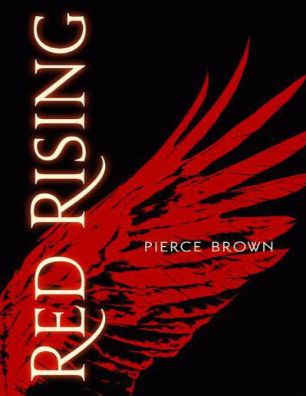
- Red Rising — Pierce Brown
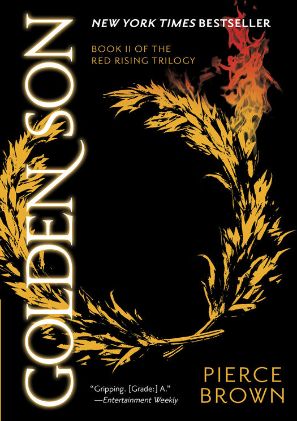
- Golden Son — Pierce Brown
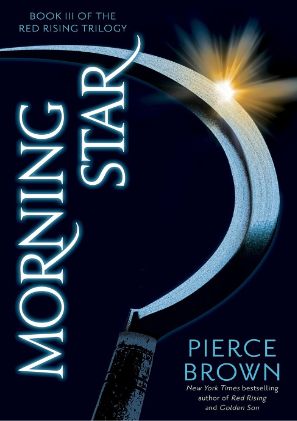
- Morning Star — Pierce Brown
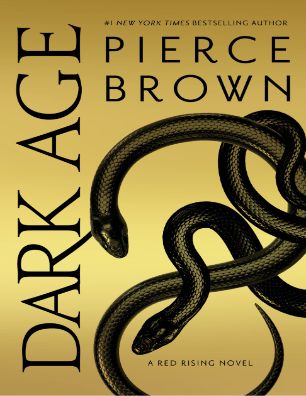
- Dark Age — Pierce Brown
- Dune — Frank Herbert
❓ Questions to Reflect On
- Is it more difficult to win a revolution or to build a stable society afterward?
- How should leaders balance ideals with the realities of governing?
- What responsibilities come with creating lasting change rather than simply demanding it?
📖 References
- Brown, P. (2018). Iron Gold. Del Rey.
- Brown, P. The Red Rising Saga.
- Interviews and public discussions with Pierce Brown on the political and philosophical themes of the Red Rising series.
Continue Learning
Deepen your understanding with related content
Ekonomi Indonesia 2026: Mengapa Rupiah "Tumbang" Saat Pertumbuhan Tetap Solid?
Noah Walker
Rahasia Metabolisme: Mengapa Gaya Hidup Modern Diam-Diam Menghambat Tujuan Sehat Anda?
Noah Walker

Paradoks Listrik 2026: Antara Jebakan Inflasi 4,76% dan Ambisi Kedaulatan Energi di Selat Hormuz
Noah Walker

Subsidi BBM 2026: Beban Rp210T di APBN demi Harga BBM Stabil
Noah Walker
Apply What You Learned
Try these tools to put your knowledge into practice
Explore Similar
Readers also explored these resources

Continue Exploring IslandHub
Discover more from across the platform