Books
The Art of War by Sun Tzu
FeaturedSun Tzu's The Art of War offers timeless lessons on strategy, leadership, preparation, and adaptability that continue to influence business, politics, and personal growth today.
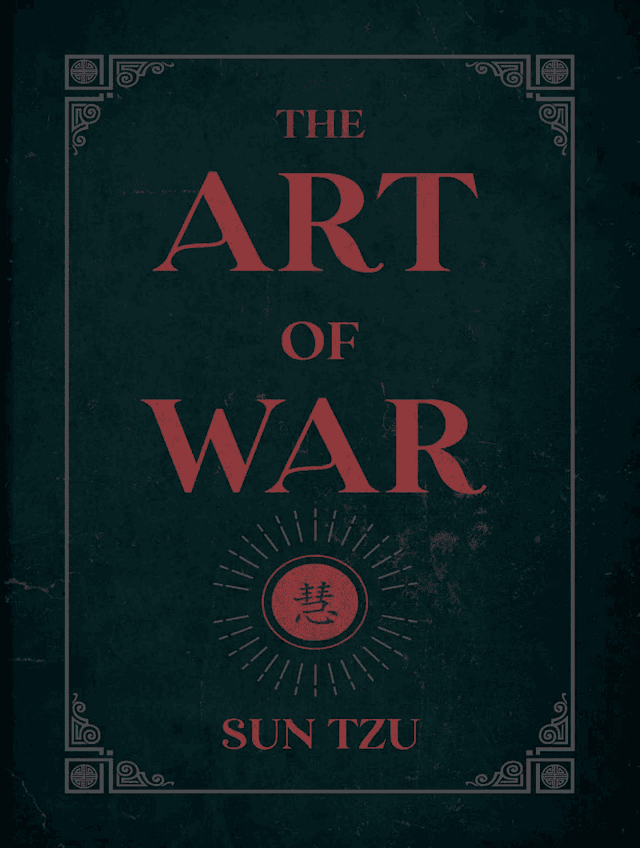
The Art of War: Timeless Lessons on Strategy, Leadership, and Decision-Making
For more than two thousand years, The Art of War has remained one of the most influential books ever written on strategy and leadership. Although originally written as a military treatise by the Chinese general Sun Tzu, its principles continue to shape modern thinking in business, politics, negotiation, sports, and personal development.
At its core, the book is not merely about warfare. It is about understanding conflict, making intelligent decisions, adapting to changing circumstances, and achieving objectives with the least amount of wasted effort. Sun Tzu argues that the highest form of victory is not winning battles through force, but achieving success through preparation, knowledge, and strategic thinking.
One of the book's most famous principles is the importance of understanding both oneself and one's environment. Sun Tzu writes that leaders who know themselves and understand their opponents can make better decisions and avoid unnecessary risks. In modern contexts, this lesson applies to businesses analyzing competitors, leaders understanding organizational strengths, and individuals assessing their capabilities before pursuing goals.
Another central theme is adaptability. Conditions constantly change, and rigid plans often fail when confronted with reality. Successful leaders remain flexible, respond to new information, and adjust their strategies according to circumstances. This principle remains highly relevant in today's rapidly changing world, where technological, economic, and social conditions evolve continuously.
The book also emphasizes preparation and planning. Victory is often determined before a conflict begins through careful assessment, resource management, and strategic positioning. Rather than relying on luck or brute force, Sun Tzu advocates deliberate thinking and disciplined execution.
Leadership is another recurring topic throughout the text. Effective leaders inspire trust, maintain discipline, communicate clearly, and make decisions that align with long-term objectives. Poor leadership, by contrast, creates confusion, weakens morale, and increases the likelihood of failure.
Perhaps one of the most enduring lessons from The Art of War is the idea that avoiding unnecessary conflict can be more powerful than confronting it directly. Strategic thinking involves recognizing when to compete, when to cooperate, and when to pursue alternative paths toward success.
Although written in an ancient military context, the book's insights remain remarkably applicable today. Entrepreneurs use its principles to navigate competitive markets, executives apply its lessons to organizational strategy, and individuals draw inspiration from its wisdom on discipline, planning, and decision-making.
Ultimately, The Art of War endures because it teaches a universal truth: success often depends less on strength and more on understanding, preparation, and intelligent action.
Continue Learning
Deepen your understanding with related content

Ekonomi Indonesia 2026: Mengapa Rupiah "Tumbang" Saat Pertumbuhan Tetap Solid?
Noah Walker

Rahasia Metabolisme: Mengapa Gaya Hidup Modern Diam-Diam Menghambat Tujuan Sehat Anda?
Noah Walker

Paradoks Listrik 2026: Antara Jebakan Inflasi 4,76% dan Ambisi Kedaulatan Energi di Selat Hormuz
Noah Walker

Subsidi BBM 2026: Beban Rp210T di APBN demi Harga BBM Stabil
Noah Walker
Apply What You Learned
Try these tools to put your knowledge into practice
Explore Similar
Readers also explored these resources
Continue Exploring IslandHub
Discover more from across the platform