Books
The 4-Hour Workweek by Timothy Ferriss
FeaturedTimothy Ferriss challenges traditional work models and introduces lifestyle design, productivity principles, and automation strategies for creating greater freedom and flexibility.
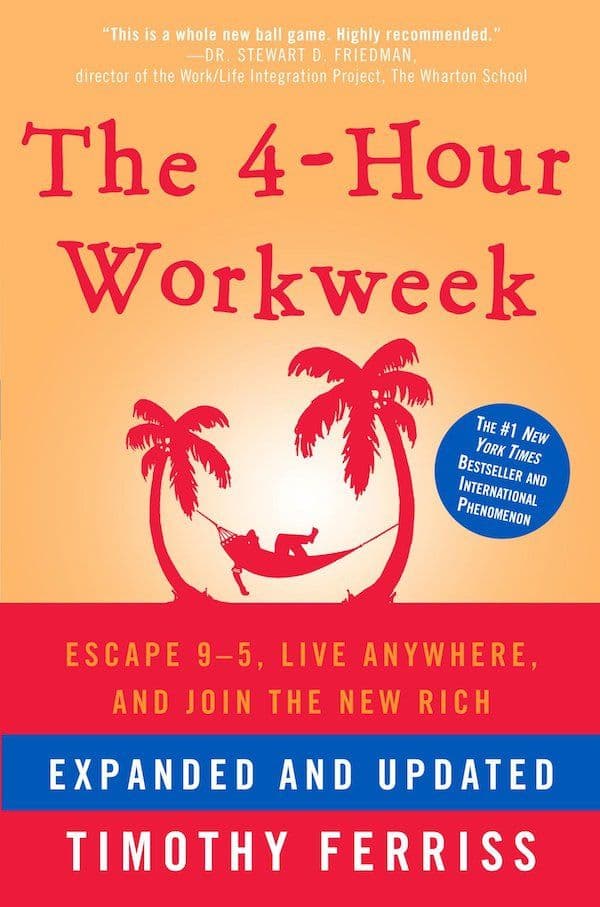
The 4-Hour Workweek by Timothy Ferriss: Redefining Work, Freedom, and Lifestyle Design
For many people, success follows a familiar path: work hard, climb the career ladder, save money, and eventually enjoy life after retirement. In The 4-Hour Workweek, Timothy Ferriss challenges this traditional model and proposes a radically different approach to work and life.
Rather than postponing freedom until the future, Ferriss argues that people should design lifestyles that allow them to enjoy greater freedom, flexibility, and fulfillment today. The book introduces the concept of lifestyle design, which focuses on optimizing work to support life, rather than sacrificing life for work.
One of the central ideas in the book is the distinction between being busy and being productive. Many people spend countless hours working without producing meaningful results. Ferriss encourages readers to focus on high-impact activities and eliminate tasks that contribute little value. Drawing inspiration from the Pareto Principle, he demonstrates how a small percentage of efforts often generate the majority of outcomes.
The book also explores the importance of automation. Ferriss advocates building systems that reduce the need for constant involvement, allowing entrepreneurs and professionals to reclaim their time. This includes delegating routine tasks, leveraging technology, and creating businesses that can operate efficiently without requiring continuous attention.
Another key concept is the idea of "mini-retirements." Instead of working for decades before enjoying life, Ferriss encourages people to take periodic breaks throughout their careers to travel, learn new skills, and pursue personal interests. This approach promotes a more balanced and intentional lifestyle.
The 4-Hour Workweek also discusses entrepreneurship, remote work, outsourcing, and digital businesses. Although some examples reflect the early internet era, the underlying principles remain highly relevant in today's world of online businesses, freelancing, creator economies, and location-independent work.
At its core, the book is not actually about working only four hours per week. Rather, it is about questioning assumptions, prioritizing what truly matters, and designing systems that create more freedom and flexibility.
Ultimately, The 4-Hour Workweek challenges readers to rethink conventional definitions of success. By focusing on effectiveness rather than effort alone, individuals can create lives that offer both professional achievement and personal fulfillment.
Continue Learning
Deepen your understanding with related content

Ekonomi Indonesia 2026: Mengapa Rupiah "Tumbang" Saat Pertumbuhan Tetap Solid?
Noah Walker

Rahasia Metabolisme: Mengapa Gaya Hidup Modern Diam-Diam Menghambat Tujuan Sehat Anda?
Noah Walker

Paradoks Listrik 2026: Antara Jebakan Inflasi 4,76% dan Ambisi Kedaulatan Energi di Selat Hormuz
Noah Walker

Subsidi BBM 2026: Beban Rp210T di APBN demi Harga BBM Stabil
Noah Walker
Apply What You Learned
Try these tools to put your knowledge into practice
Explore Similar
Readers also explored these resources

Continue Exploring IslandHub
Discover more from across the platform