Books
Stronger Than You Think by Sherry Hamby, PhD
FeaturedSherry Hamby explores the science of resilience, demonstrating how individuals can draw upon their strengths, relationships, and adaptability to overcome challenges and thrive.

Stronger Than You Think: The Science of Resilience and Human Strength
Life inevitably brings challenges. Whether facing personal setbacks, loss, trauma, stress, or uncertainty, people often question their ability to endure difficult circumstances. In Stronger Than You Think, psychologist Sherry Hamby offers a refreshing perspective: resilience is not a rare trait possessed by a fortunate few—it is a natural human capacity that can be strengthened and developed.
Drawing upon decades of psychological research, Hamby challenges the common tendency to focus solely on vulnerability and adversity. Instead, she emphasizes the strengths, resources, and protective factors that help individuals recover, adapt, and grow through life's difficulties.
One of the book's central messages is that resilience is far more common than most people realize. While challenges can be painful and disruptive, the majority of individuals possess internal and external resources that enable them to move forward. Hamby argues that resilience should not be viewed as extraordinary heroism, but rather as a normal part of human functioning.
The book introduces the concept of strengths-based psychology, which focuses on identifying and cultivating positive qualities rather than merely addressing weaknesses. These strengths may include optimism, supportive relationships, purpose, self-regulation, adaptability, and community connections.
Hamby also explores the role of social support in resilience. Strong relationships with family, friends, mentors, and communities often serve as protective factors during difficult times. People rarely overcome adversity entirely alone; resilience is often strengthened through meaningful connections with others.
Another important lesson from the book is that resilience does not mean avoiding hardship or suppressing emotions. Rather, it involves acknowledging challenges, adapting to circumstances, and continuing to pursue meaningful goals despite obstacles. Resilient individuals experience fear, sadness, and uncertainty just like everyone else—they simply learn how to navigate these experiences effectively.
Beyond individual resilience, Hamby highlights the importance of building resilient communities, schools, workplaces, and social systems. Creating environments that promote support, safety, and opportunity can help individuals thrive even when facing adversity.
Ultimately, Stronger Than You Think offers an encouraging and evidence-based reminder that people are often far more capable than they believe. By recognizing and developing existing strengths, individuals can cultivate greater resilience and well-being throughout their lives.
Continue Learning
Deepen your understanding with related content
Ekonomi Indonesia 2026: Mengapa Rupiah "Tumbang" Saat Pertumbuhan Tetap Solid?
Noah Walker
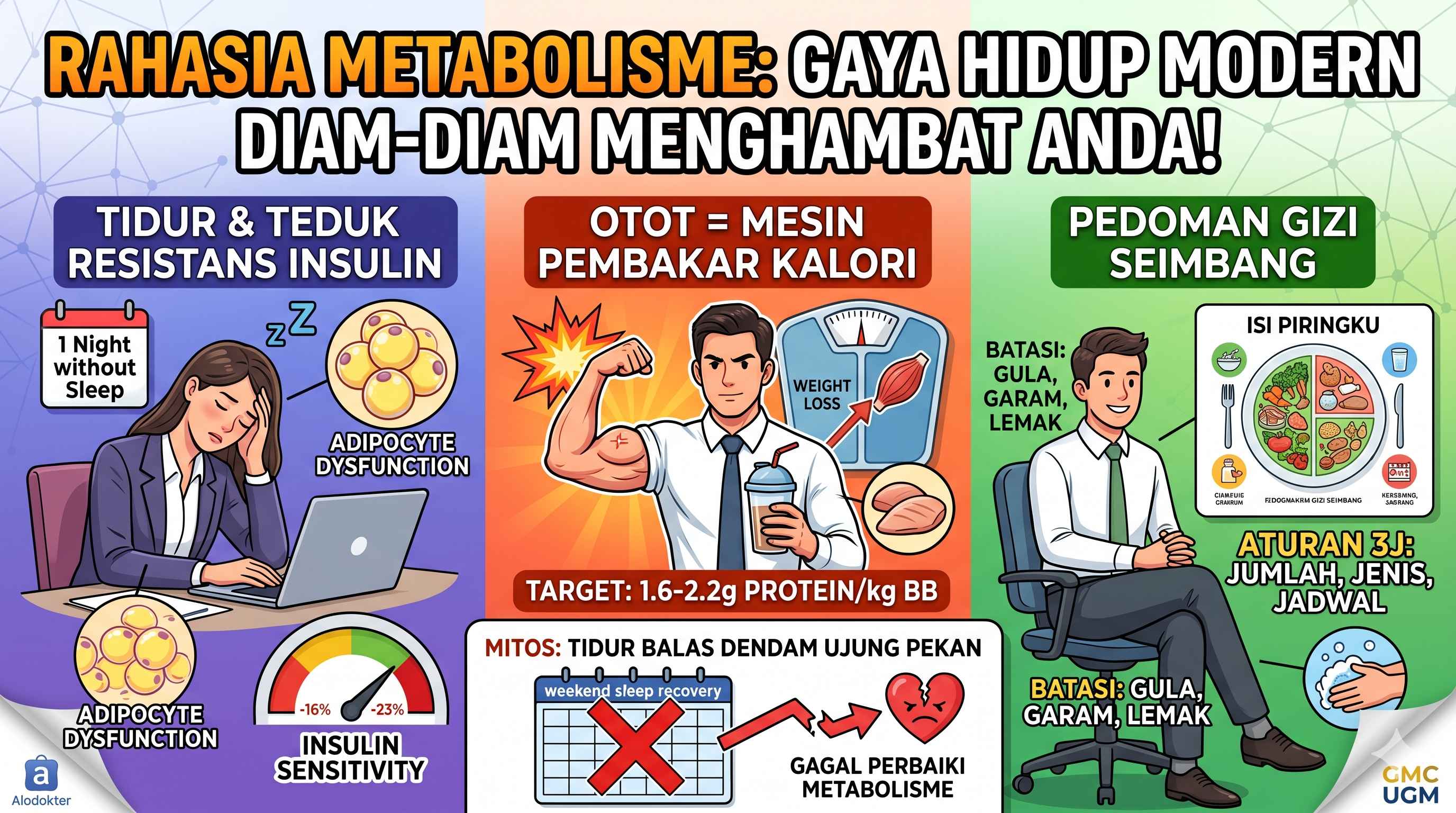
Rahasia Metabolisme: Mengapa Gaya Hidup Modern Diam-Diam Menghambat Tujuan Sehat Anda?
Noah Walker

Paradoks Listrik 2026: Antara Jebakan Inflasi 4,76% dan Ambisi Kedaulatan Energi di Selat Hormuz
Noah Walker

Subsidi BBM 2026: Beban Rp210T di APBN demi Harga BBM Stabil
Noah Walker
Apply What You Learned
Try these tools to put your knowledge into practice
Explore Similar
Readers also explored these resources
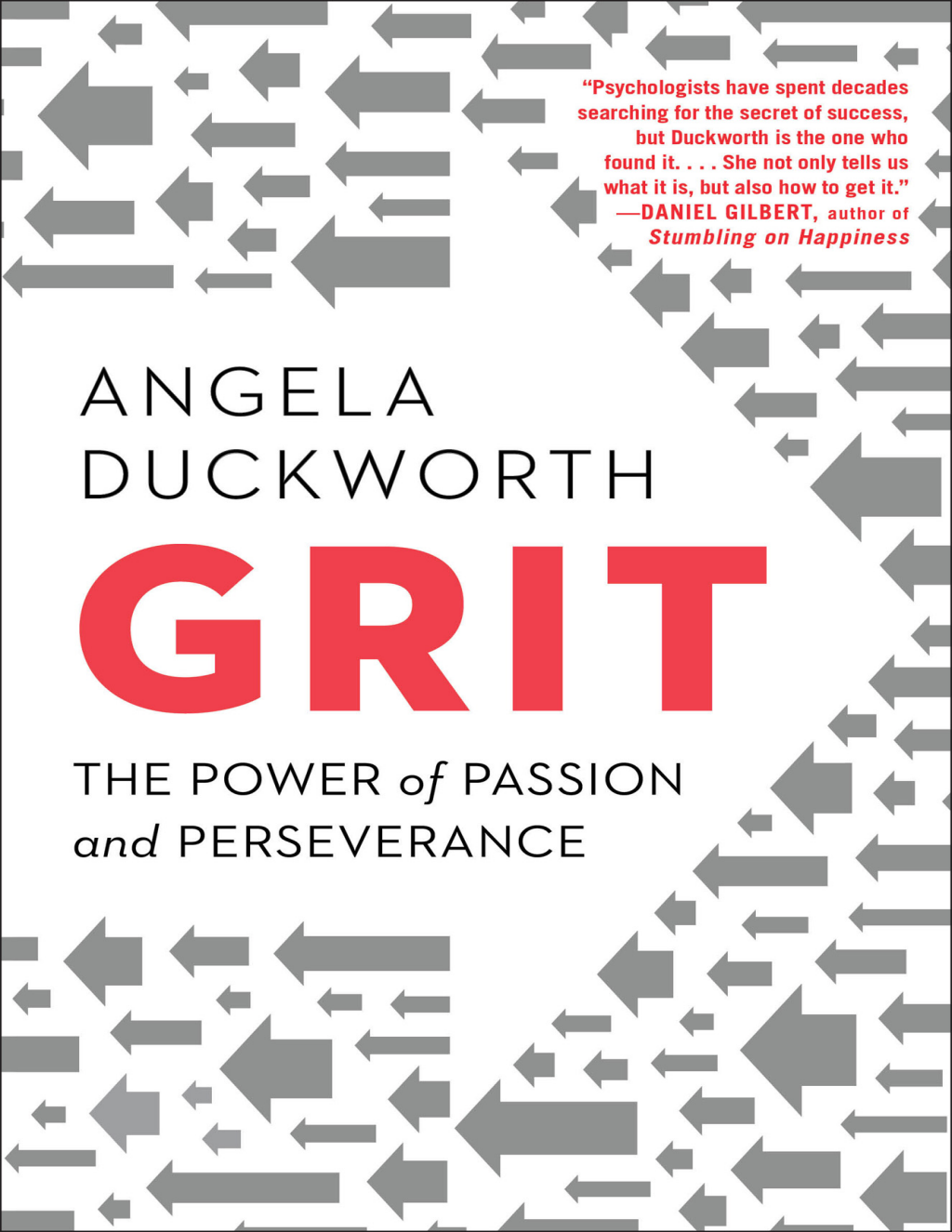
Grit by Angela Duckworth
Noah Walker
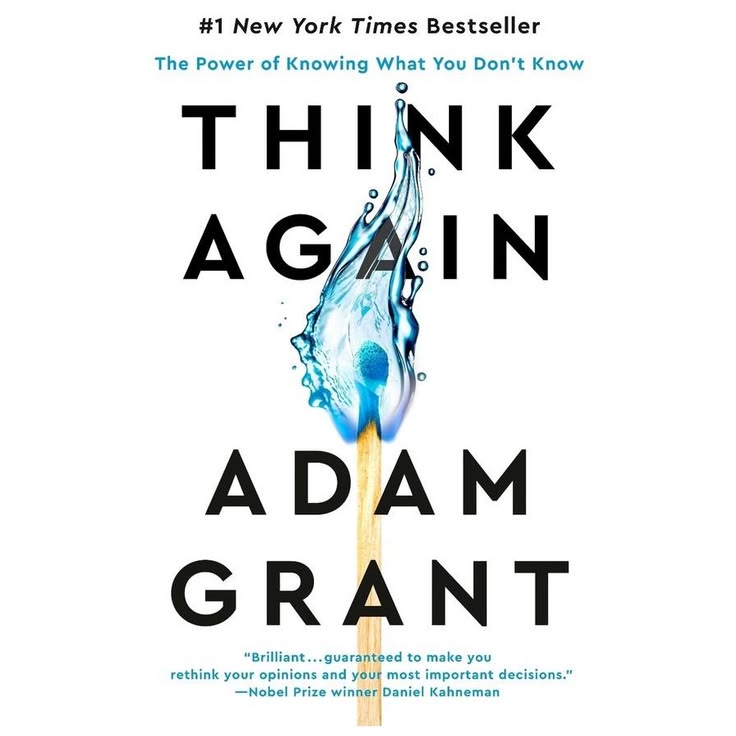
Think Again by Adam Grant
Noah Walker
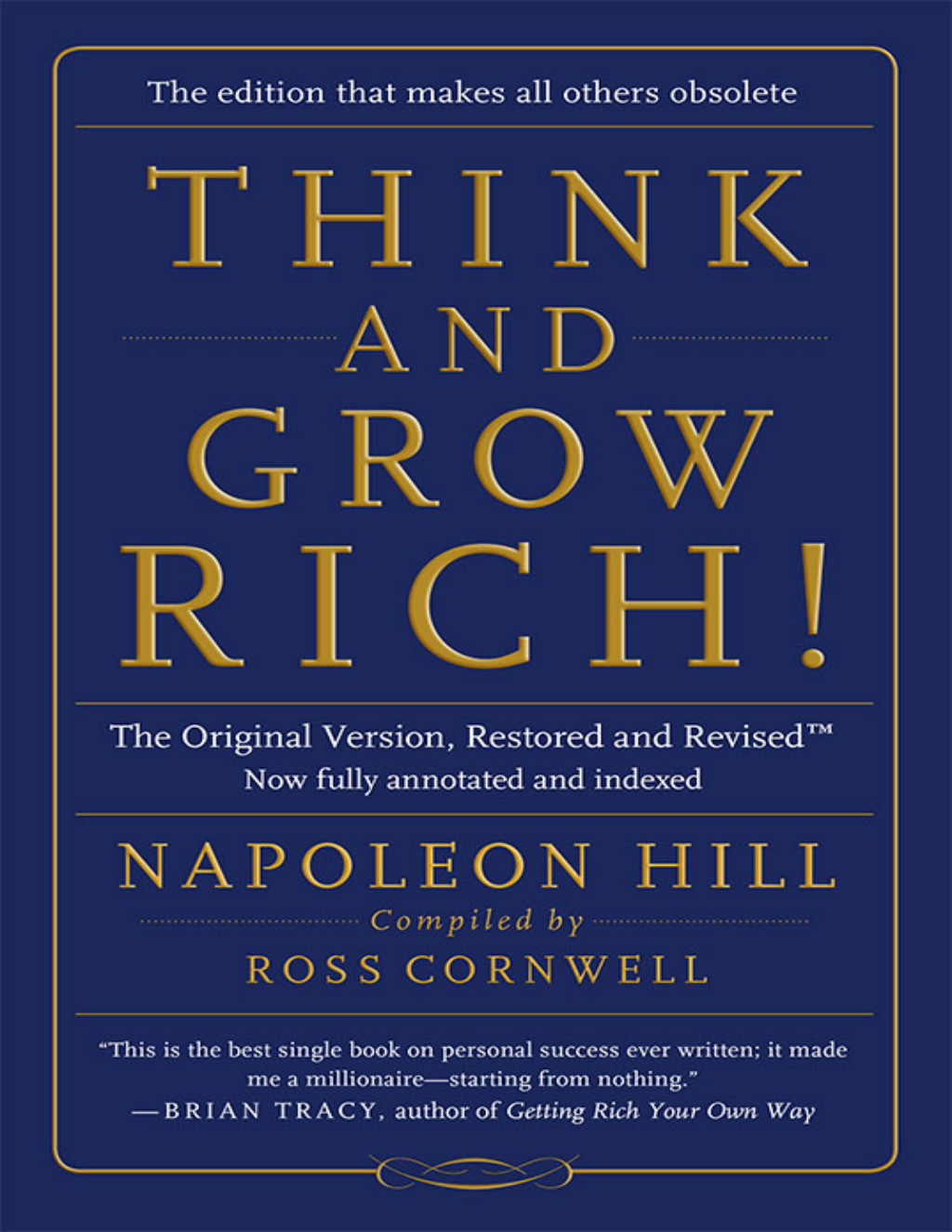
Think and Grow Rich by Napoleon Hill
Noah Walker

Official Workbook: Read People Like Book by Patrick King
Noah Walker

I Want To Die But Want To Eat Tteokbokki by Baek Sehee
Noah Walker
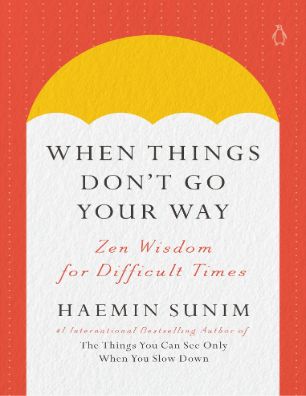
When Things Don't Go Your Way by Haemin Sunim
Noah Walker
Continue Exploring IslandHub
Discover more from across the platform