Books
Rich Dad Poor Dad by Robert T. Kiyosaki
FeaturedRich Dad Poor Dad challenges traditional beliefs about money, work, and education. Through lessons from two father figures, Robert Kiyosaki teaches readers how financial literacy, asset ownership, and entrepreneurial thinking can help build long-term wealth.
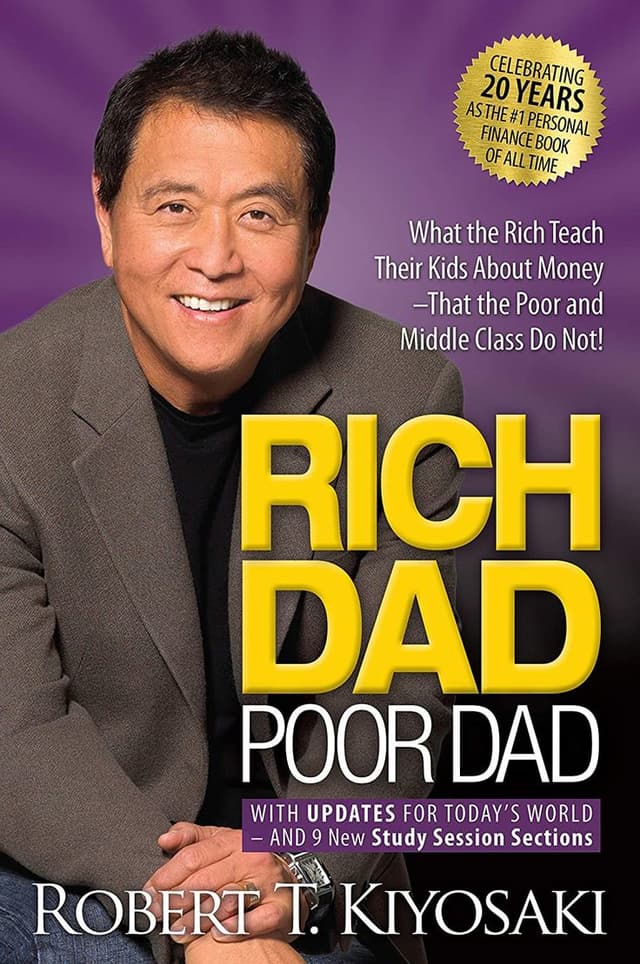
Rich Dad Poor Dad: What the Rich Teach Their Kids About Money
Introduction
Why do some people spend their entire lives working for money while others build wealth that works for them?
This question sits at the heart of Rich Dad Poor Dad, one of the most influential personal finance books ever written.
In the book, Robert Kiyosaki compares the financial lessons he learned from two father figures:
- His biological father, the "Poor Dad," who was highly educated and worked hard throughout his career.
- The father of his best friend, the "Rich Dad," who taught him how money, assets, and investing actually work.
Through these contrasting perspectives, Kiyosaki introduces readers to concepts that are rarely taught in schools but are essential for achieving financial independence.
About the Author
Robert T. Kiyosaki
Robert Kiyosaki is an entrepreneur, investor, educator, and author known for promoting financial literacy around the world.
His work focuses on helping people understand:
- Money management
- Investing
- Entrepreneurship
- Financial independence
Rich Dad Poor Dad became an international bestseller and remains one of the most widely read personal finance books of all time.
Book Overview
The book explores how different beliefs about money can shape a person's financial future.
Rather than focusing on budgeting alone, Kiyosaki emphasizes:
- Financial education
- Asset ownership
- Entrepreneurship
- Investing
- Cash flow management
The central message is simple:
People become financially stronger when they understand how money works and make decisions based on financial knowledge rather than emotions.
Key Lessons from the Book
1. The Rich Don't Work for Money
One of the book's most famous lessons is that wealthy people focus on acquiring assets that generate income rather than relying solely on salaries.
Most people:
- Work for money
- Pay expenses
- Repeat the cycle
Wealthy individuals often focus on building systems and assets that generate income over time.
IslandHub Insight
Income from work is important, but long-term wealth often comes from ownership.
2. Financial Literacy Is More Important Than Income
Many people earn high incomes but still struggle financially.
Why?
Because income alone does not guarantee financial security.
Kiyosaki argues that understanding:
- Assets
- Liabilities
- Cash flow
- Investing
is often more important than how much money a person earns.
3. Know the Difference Between Assets and Liabilities
One of the most famous concepts in the book is the distinction between assets and liabilities.
Assets
Put money into your pocket.
Examples:
- Stocks
- Businesses
- Rental properties
- Royalties
Liabilities
Take money out of your pocket.
Examples:
- Consumer debt
- Expensive purchases with ongoing costs
- Certain depreciating assets
The wealthy tend to acquire assets first.
4. Build Assets Before Upgrading Lifestyle
A common mistake is increasing spending every time income rises.
Kiyosaki encourages readers to focus on acquiring assets before increasing lifestyle expenses.
This mindset helps create sustainable financial growth rather than temporary financial comfort.
5. Learn Continuously
The book emphasizes the importance of lifelong learning.
Topics worth studying include:
- Finance
- Accounting
- Investing
- Business
- Sales
- Communication
Financial success often follows financial education.
6. Take Calculated Risks
Many people avoid opportunities because they fear failure.
Kiyosaki argues that successful investors and entrepreneurs learn how to evaluate and manage risk rather than avoiding it entirely.
Growth often requires stepping outside one's comfort zone.
7. Make Money Work for You
The ultimate goal is not simply earning more money.
The goal is creating systems where money continues working even when you are not actively trading time for income.
Examples include:
- Investments
- Businesses
- Intellectual property
- Cash-flow-producing assets
Why This Book Matters Today
Despite changes in technology and the global economy, many people still receive little formal education about money.
Schools often teach academic subjects but rarely cover:
- Investing
- Cash flow
- Entrepreneurship
- Wealth creation
As a result, Rich Dad Poor Dad continues to resonate with readers seeking a stronger understanding of personal finance and financial independence.
Who Should Read This Book?
This book is highly recommended for:
✅ Students
✅ Young Professionals
✅ Entrepreneurs
✅ Investors
✅ Freelancers
✅ Business Owners
✅ Anyone interested in financial literacy
Key Takeaways
- Financial literacy is a critical life skill.
- Assets and liabilities affect wealth differently.
- Income alone does not create financial freedom.
- Wealthy individuals focus on ownership.
- Continuous learning improves financial decision-making.
- Long-term wealth requires discipline and patience.
- Money should work for you, not the other way around.
Final Verdict
Rating: 9.2/10
Strengths
- Easy to understand
- Inspiring and motivating
- Introduces important financial concepts
- Encourages entrepreneurial thinking
- Excellent for beginners
Weaknesses
- Some examples are simplified
- Certain concepts are debated by finance professionals
- Provides more mindset than technical investing guidance
Recommended Next Reads
After finishing Rich Dad Poor Dad, consider reading:
- The Intelligent Investor — Benjamin Graham
- The Personal MBA — Josh Kaufman
- $100M Offers — Alex Hormozi
- Shoe Dog — Phil Knight
- $100M Leads — Alex Hormozi
IslandHub Summary
Rich Dad Poor Dad is a foundational book on financial literacy that challenges conventional beliefs about money, work, and wealth. Through practical stories and memorable lessons, Robert Kiyosaki encourages readers to think differently about income, assets, and financial independence. While not a technical investing guide, the book remains an excellent starting point for anyone seeking to build a healthier relationship with money and a stronger financial future.
Continue Learning
Deepen your understanding with related content
Ekonomi Indonesia 2026: Mengapa Rupiah "Tumbang" Saat Pertumbuhan Tetap Solid?
Noah Walker
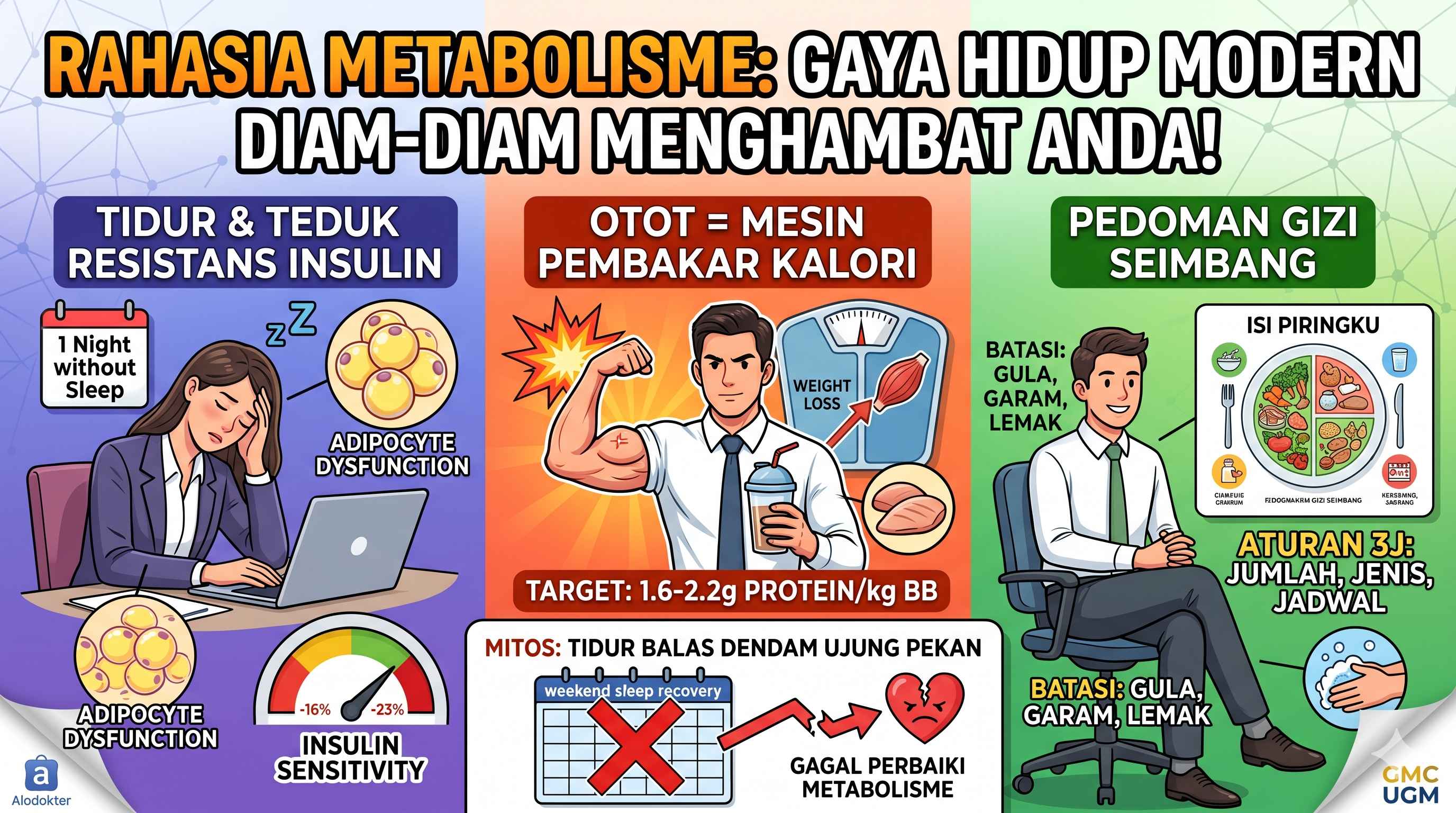
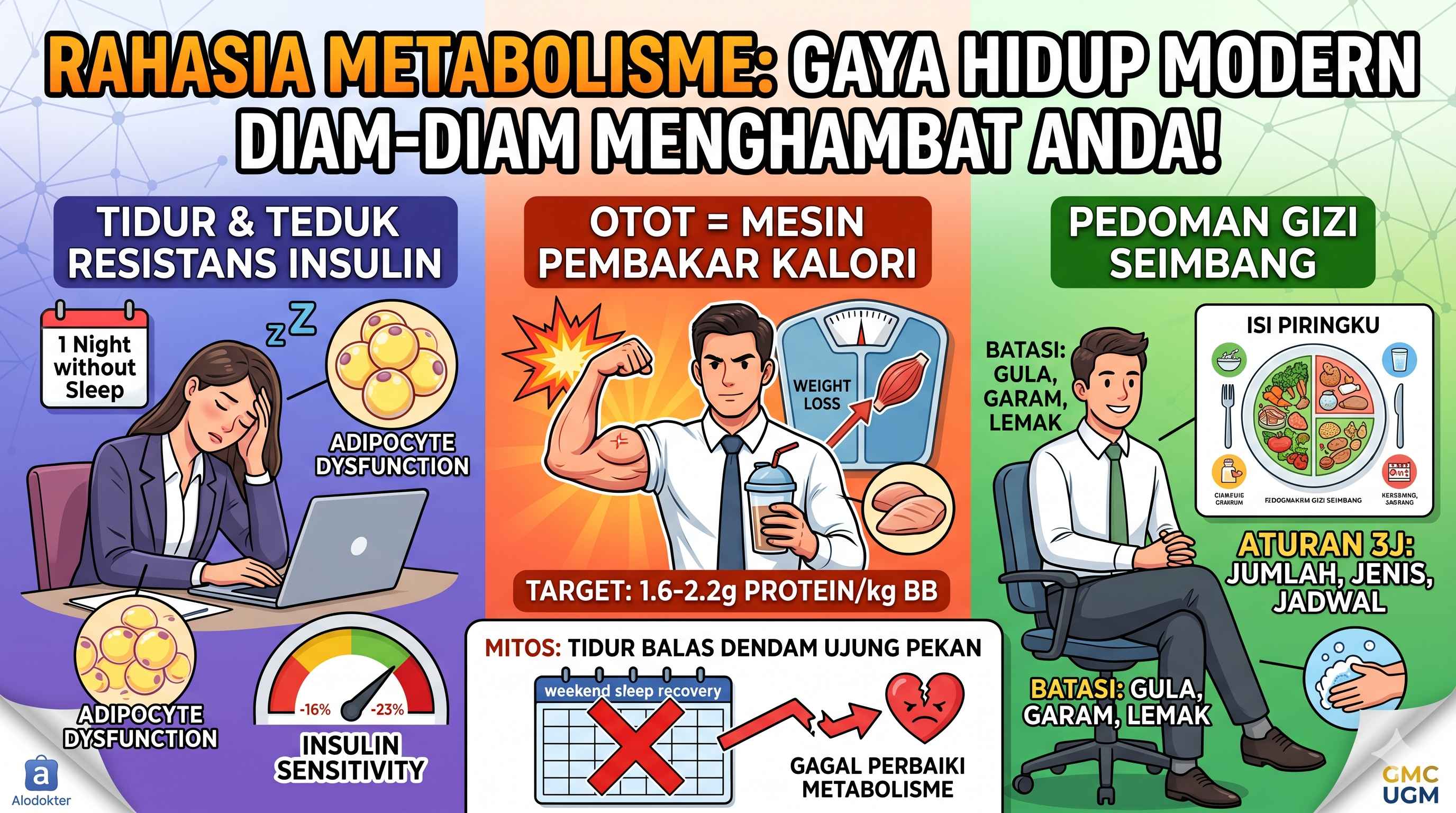
Rahasia Metabolisme: Mengapa Gaya Hidup Modern Diam-Diam Menghambat Tujuan Sehat Anda?
Noah Walker
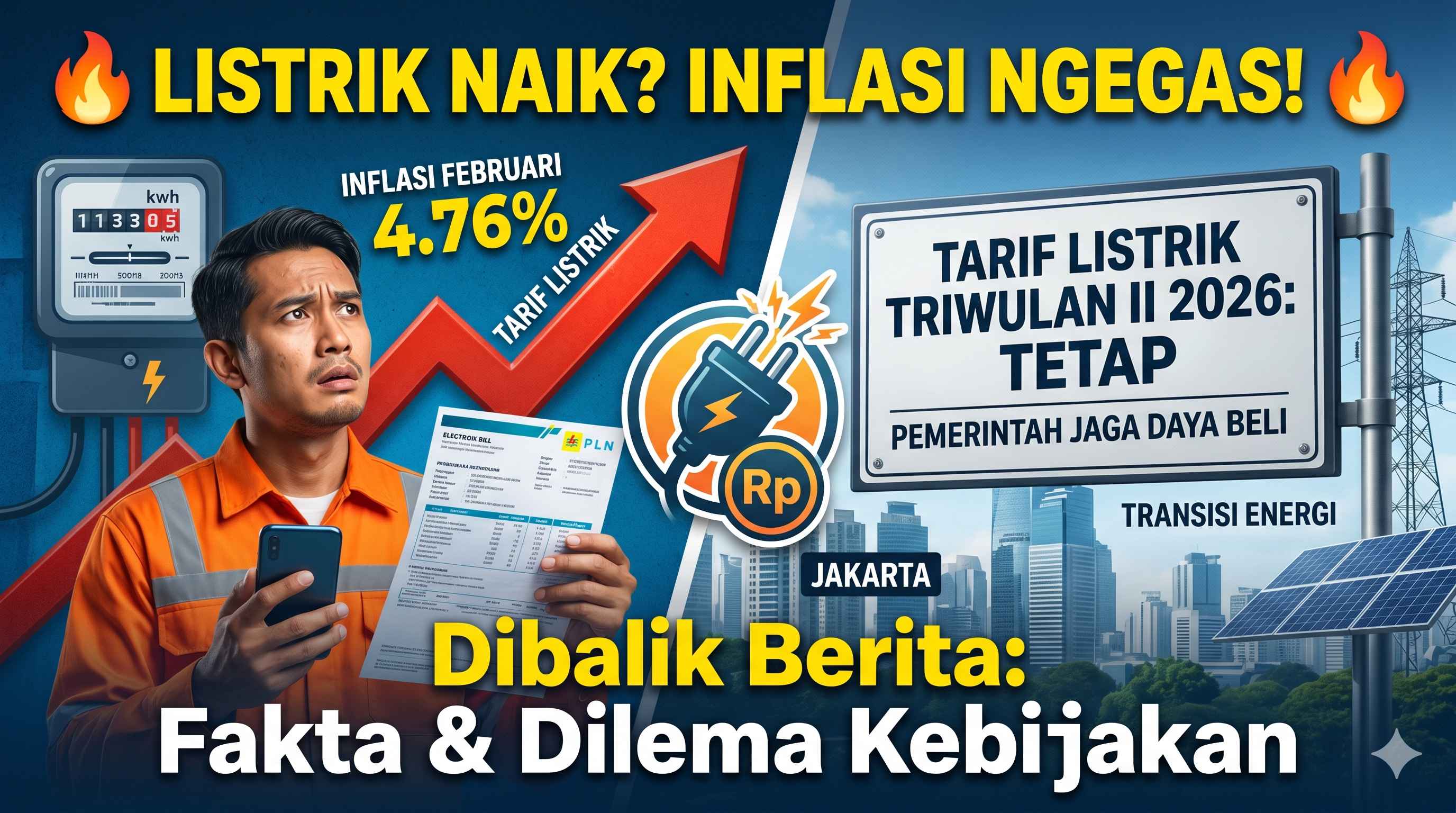
Paradoks Listrik 2026: Antara Jebakan Inflasi 4,76% dan Ambisi Kedaulatan Energi di Selat Hormuz
Noah Walker
Subsidi BBM 2026: Beban Rp210T di APBN demi Harga BBM Stabil
Noah Walker
Apply What You Learned
Try these tools to put your knowledge into practice
Explore Similar
Readers also explored these resources
Security Analysis by Benjamin Graham
Noah Walker
The Intelligent Investor by Banjamin Graham
Noah Walker
The New Strategic Selling by Robert B. Miller
Noah Walker
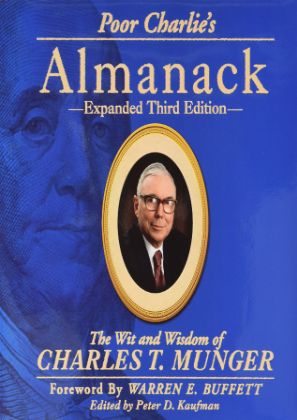
Poor Charlie's Almanack by Charles T. Munger
Noah Walker
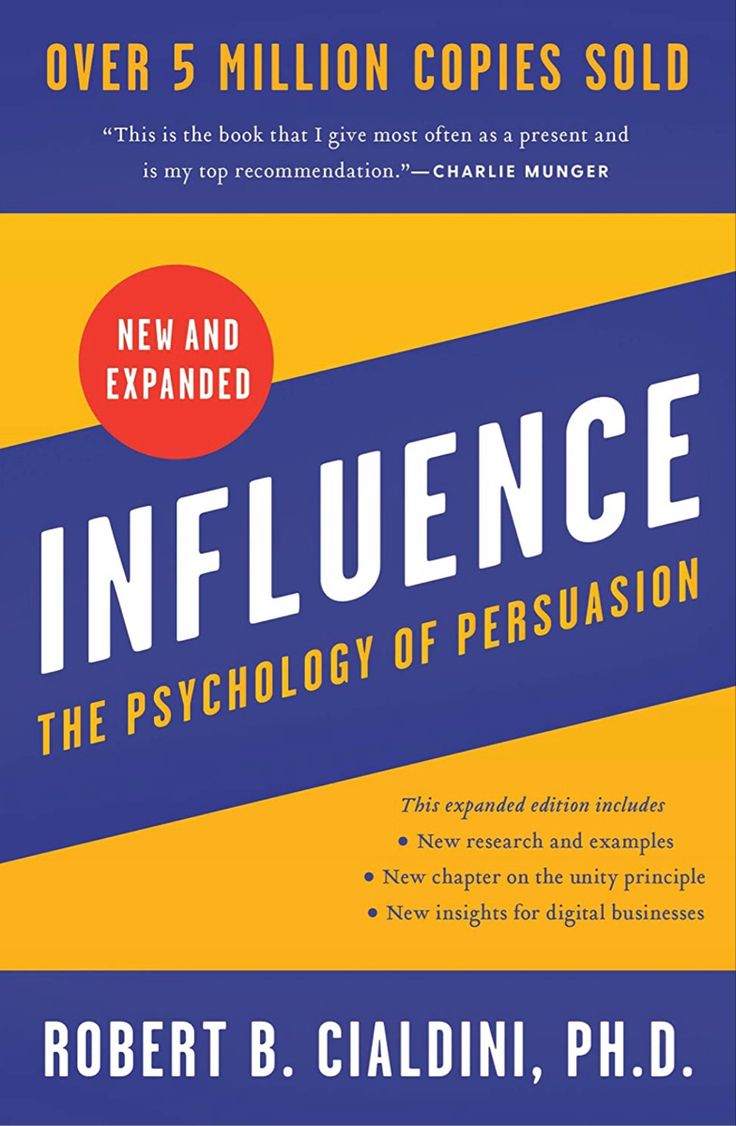
Influence by Robert B. Cialdini, Ph.D
Noah Walker
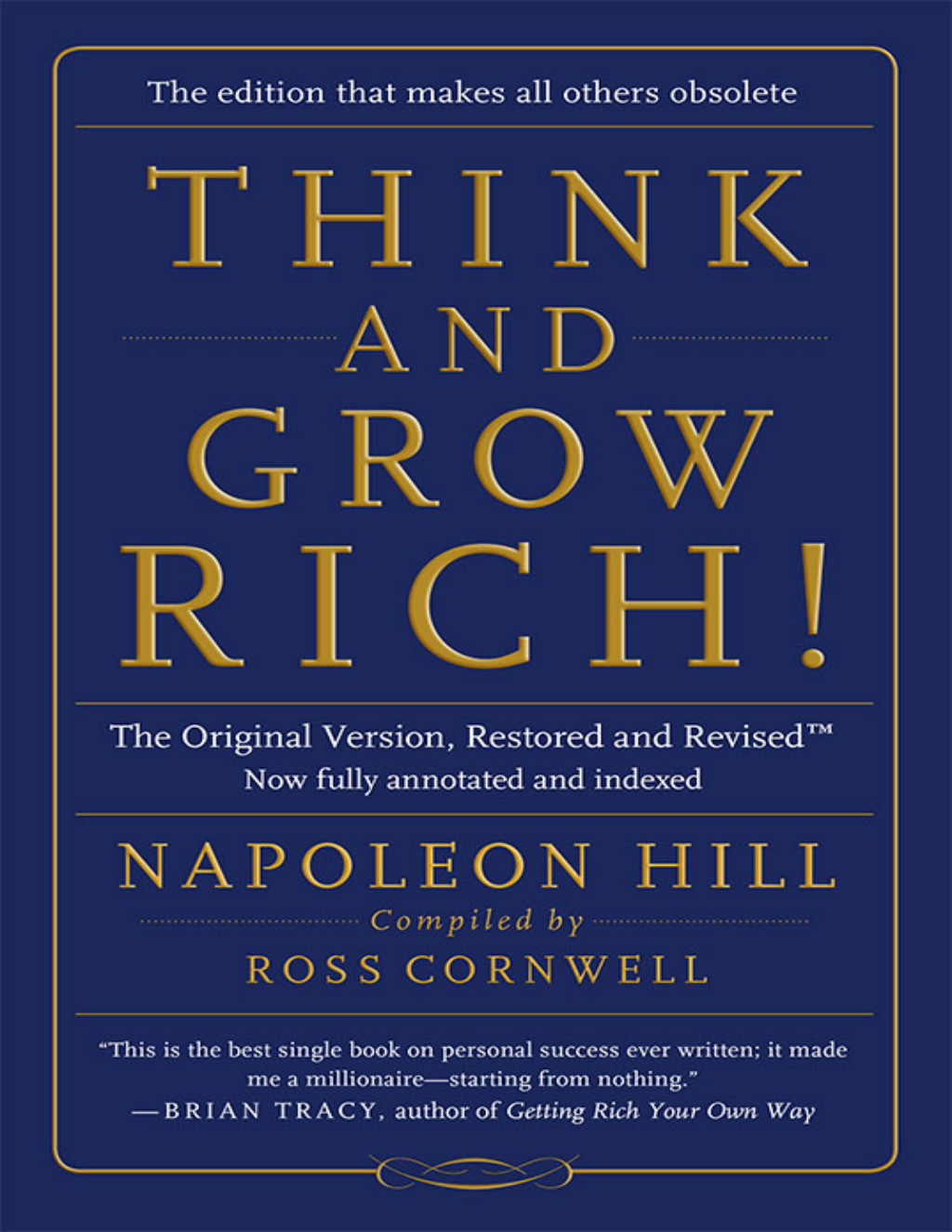
Think and Grow Rich by Napoleon Hill
Noah Walker
Continue Exploring IslandHub
Discover more from across the platform