Books
Originals by Adam Grant
FeaturedAdam Grant explores how original thinkers challenge conventional wisdom, embrace creativity, and drive innovation through thoughtful risk-taking and bold ideas.
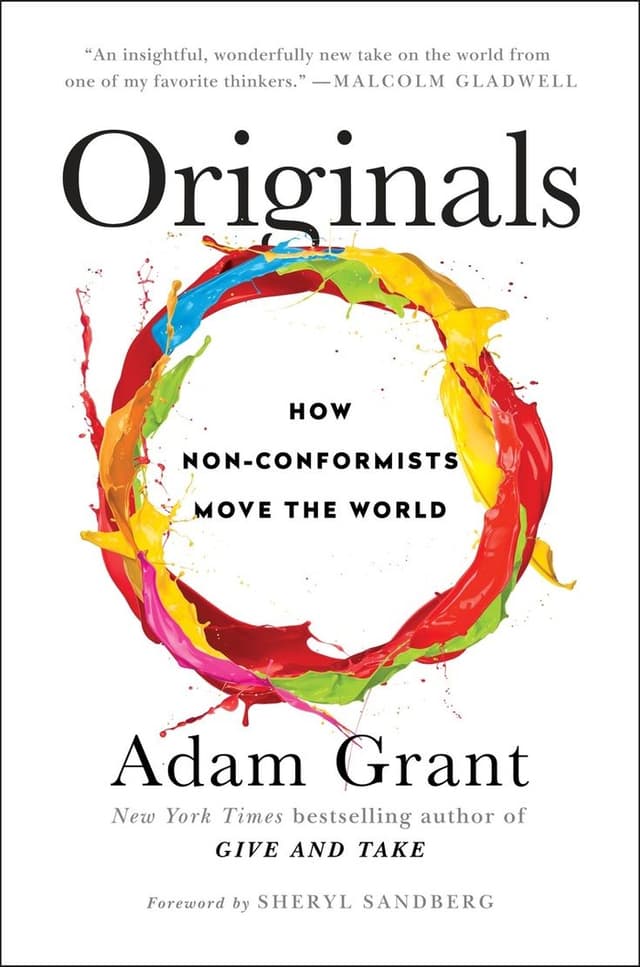
Originals by Adam Grant: How Non-Conformists Move the World Forward
Many people assume that innovators, entrepreneurs, and changemakers are fearless risk-takers who possess extraordinary confidence and vision. In Originals, organizational psychologist Adam Grant challenges this assumption by exploring what truly distinguishes individuals who create new ideas, challenge conventions, and drive meaningful change.
Drawing upon research from psychology, business, history, and behavioral science, Grant examines the habits and mindsets of "originals"—people who question the status quo and contribute novel ideas to the world. Surprisingly, he finds that originality is often less about brilliance and more about courage, persistence, and strategic thinking.
One of the book's most interesting insights is that successful innovators are not necessarily reckless risk-takers. In fact, many original thinkers carefully manage risk by balancing bold ideas with practical safeguards. They often maintain stability in one area of life while experimenting in another, allowing them to pursue innovation without exposing themselves to unnecessary danger.
Grant also explores the role of procrastination in creativity. Contrary to popular belief, delaying action is not always harmful. Moderate procrastination can provide time for ideas to develop, evolve, and improve. By allowing multiple possibilities to emerge, individuals may arrive at more creative solutions than those who rush to act immediately.
Another key lesson involves overcoming fear and self-doubt. Many successful innovators experience uncertainty about their ideas. The difference is not the absence of doubt, but the willingness to act despite it. Grant demonstrates that confidence and originality often grow through experimentation, feedback, and continuous learning rather than appearing fully formed from the beginning.
The book also highlights the importance of fostering cultures where new ideas can flourish. Organizations that encourage constructive disagreement, open dialogue, and diverse perspectives are often more innovative than those that prioritize conformity and consensus. Leaders play a crucial role in creating environments where people feel safe to challenge existing assumptions.
Throughout the book, Grant shares stories of entrepreneurs, inventors, activists, and business leaders who transformed industries and societies by thinking differently. These examples reveal that originality is not limited to a select few; it is a skill that can be developed by anyone willing to question established norms and pursue meaningful change.
Ultimately, Originals teaches that progress depends on individuals who are willing to challenge what already exists. By embracing curiosity, creativity, and thoughtful risk-taking, people can contribute ideas that shape organizations, industries, and even the world itself.
Continue Learning
Deepen your understanding with related content

Ekonomi Indonesia 2026: Mengapa Rupiah "Tumbang" Saat Pertumbuhan Tetap Solid?
Noah Walker

Rahasia Metabolisme: Mengapa Gaya Hidup Modern Diam-Diam Menghambat Tujuan Sehat Anda?
Noah Walker

Paradoks Listrik 2026: Antara Jebakan Inflasi 4,76% dan Ambisi Kedaulatan Energi di Selat Hormuz
Noah Walker

Subsidi BBM 2026: Beban Rp210T di APBN demi Harga BBM Stabil
Noah Walker
Apply What You Learned
Try these tools to put your knowledge into practice
Explore Similar
Readers also explored these resources
Creativity, Inc. by ED Catmull
Noah Walker
Think Again by Adam Grant
Noah Walker
Official Workbook: Read People Like Book by Patrick King
Noah Walker

I Want To Die But Want To Eat Tteokbokki by Baek Sehee
Noah Walker
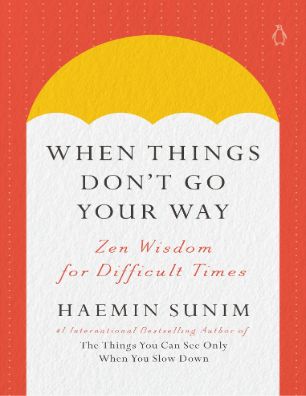
When Things Don't Go Your Way by Haemin Sunim
Noah Walker
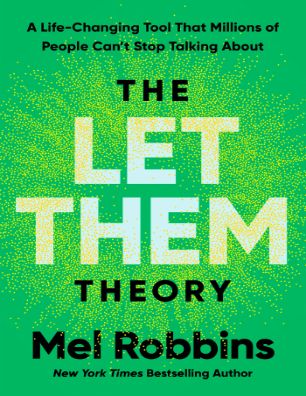
The Let Them Theory by Mel Robbins
Noah Walker
Continue Exploring IslandHub
Discover more from across the platform